



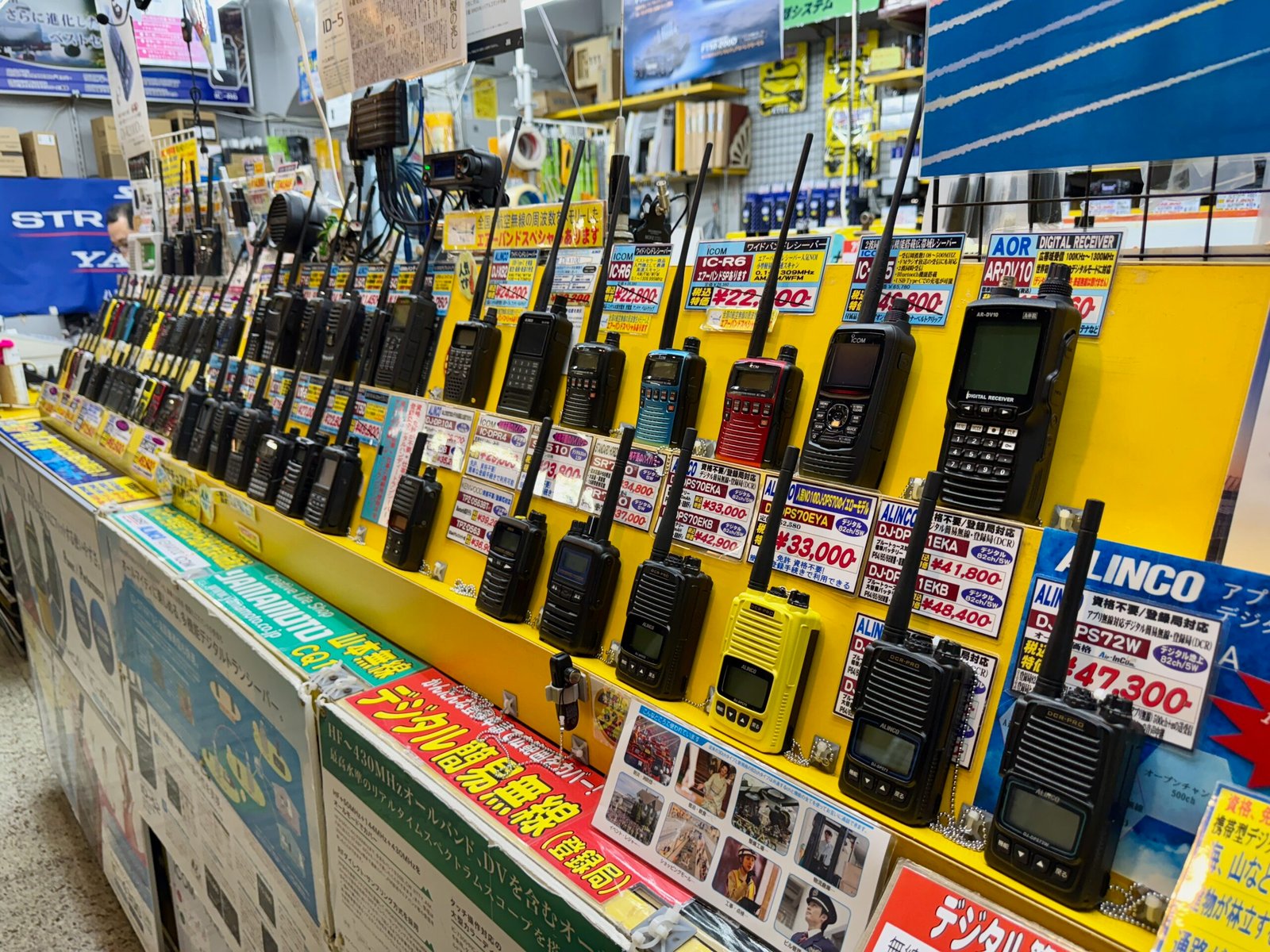

Choosing your first digital voice mode can feel overwhelming. This guide compares DMR, Yaesu Fusion, and D-STAR side by side – looking at coverage, cost, ease of use, and community, so you can confidently pick the right mode (and radio) for how you want to operate.
You’ve read about digital voice, compared it with analog, and you’re ready to take the leap. Now comes the hard part: DMR vs Fusion vs D-STAR – which digital mode should you start with? These three popular systems all promise clear audio and worldwide linking, but each has its own quirks, price points, and local followings.
Choosing the right one isn’t about which is “best” on paper – it’s about which mode will work best for you, in your location, with your budget, and the kind of operating you enjoy.
1 The Three Big Players in a Nutshell
Digital voice for hams is often described as a three-horse race.
- DMR grew out of the commercial radio world. It’s affordable and has a massive global network of repeaters and talkgroups.
- Yaesu Fusion (C4FM) was built by and for hams, and shines for its easy setup and good-sounding audio on Yaesu gear.
- D-STAR, developed by Icom, was the pioneer – it’s older but still widely used, especially for its simple reflector-to-reflector linking.
Think of them as three languages that all let you talk, but each with its own accent and slang.
2 DMR vs Fusion vs D-STAR: How to Choose
Now that you know the basics of each mode, let’s compare them side by side on the things that really matter, such as coverage, cost, ease of setup, and community support.
Step 1: Start with Local Coverage
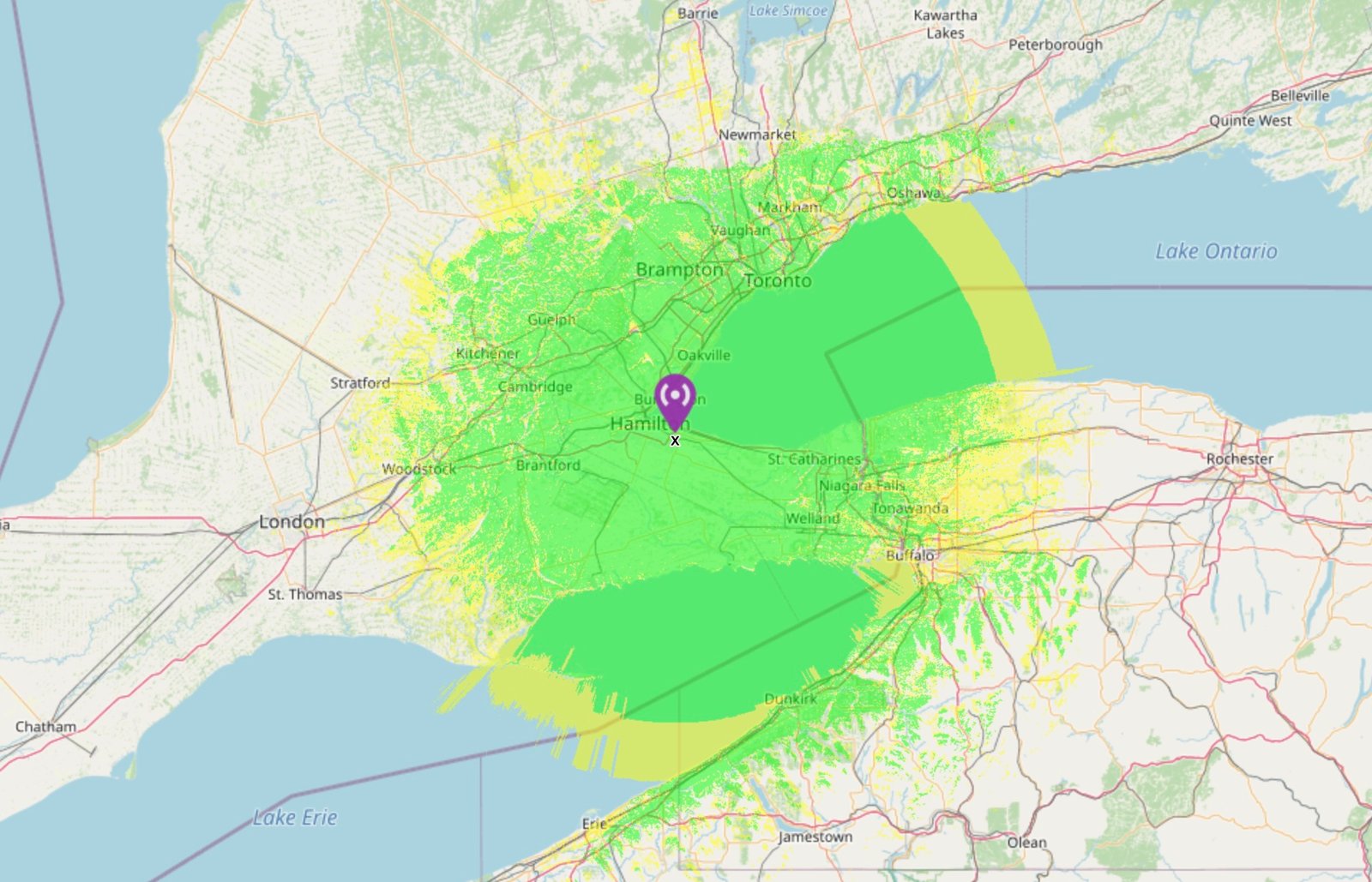
The single biggest factor in your decision isn’t the radio spec sheet – it’s what you can actually reach from home.
Fire up RepeaterBook or ask your club which digital repeaters are active in your area. If your town has three Fusion repeaters and an active weekly Fusion net, that’s a strong reason to lean toward Yaesu Fusion. If there’s only one lonely D-STAR machine two counties over, you’ll either need a hotspot or be out of luck.
Your first goal is to get on the air easily, so start with the mode that’s most active where you live.
Step 2: Consider Radio Cost and Availability
Next up: your wallet.
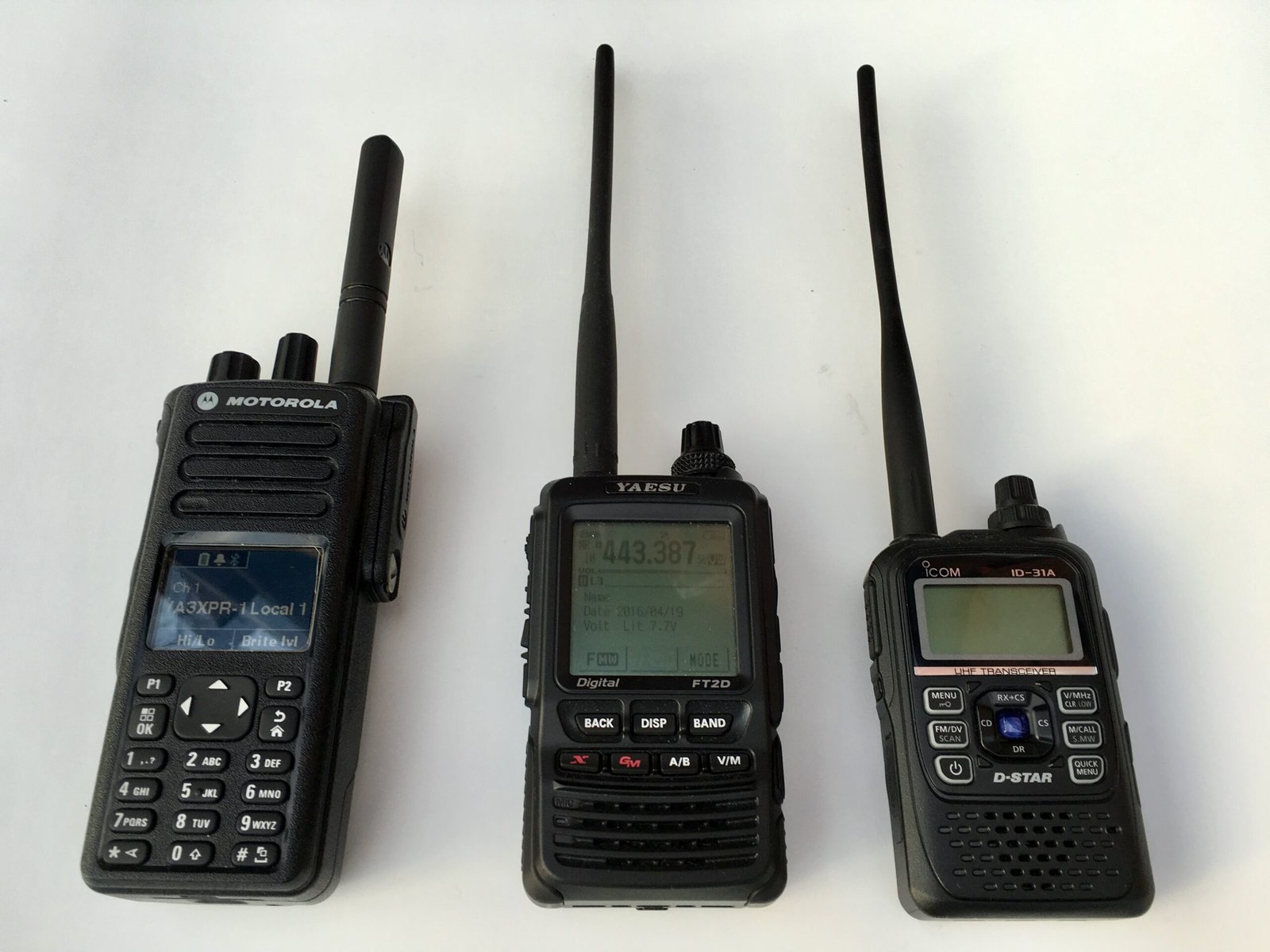
- DMR radios often cost the least. A capable dual-band handheld such as the AnyTone D878 or TYT MD-UV380 often lands in the $130–$250 USD range.
- Yaesu Fusion is mid-range. Because it’s a Yaesu-only ecosystem, you’ll be looking at models like the FT-70 or FT-5D for handhelds and the FTM-300/500 for mobiles.
- D-STAR tends to be the priciest; Icom’s ID-52 handheld or IC-9700 mobile base rigs sit at the higher end but have the software built in.
If you’re not ready to invest heavily, DMR is usually the easiest way to dip a toe into digital without draining the shack fund.
Step 3: Think About Ease of Setup
If you want a smooth start, Fusion is hard to beat. Yaesu radios detect Fusion repeaters automatically and don’t need any special ID to talk.
D-STAR is also straightforward but requires a one-time call-sign registration to use reflectors.
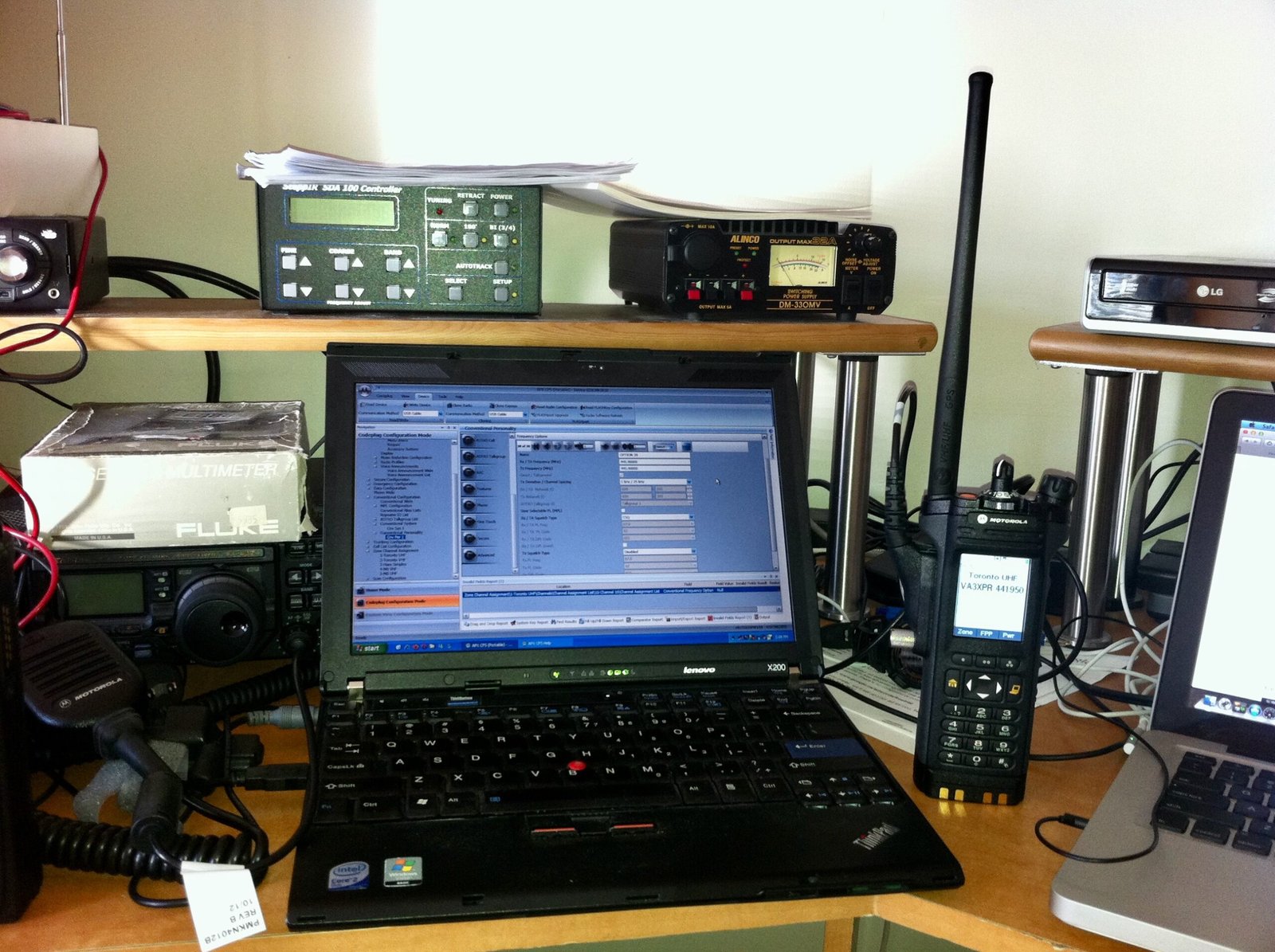
DMR can be the trickiest for beginners. Because it’s borrowed from the commercial world, it relies on code plugs, which are radio-specific configuration files, and you’ll need to request a free DMR-ID online. Clubs often share starter code-plugs, which can save hours of typing.
If you’re comfortable with a little software tinkering, DMR’s extra steps aren’t a show-stopper, but it’s worth knowing before you buy.
Step 4: Look at Community and Features
Digital modes are more fun with company.
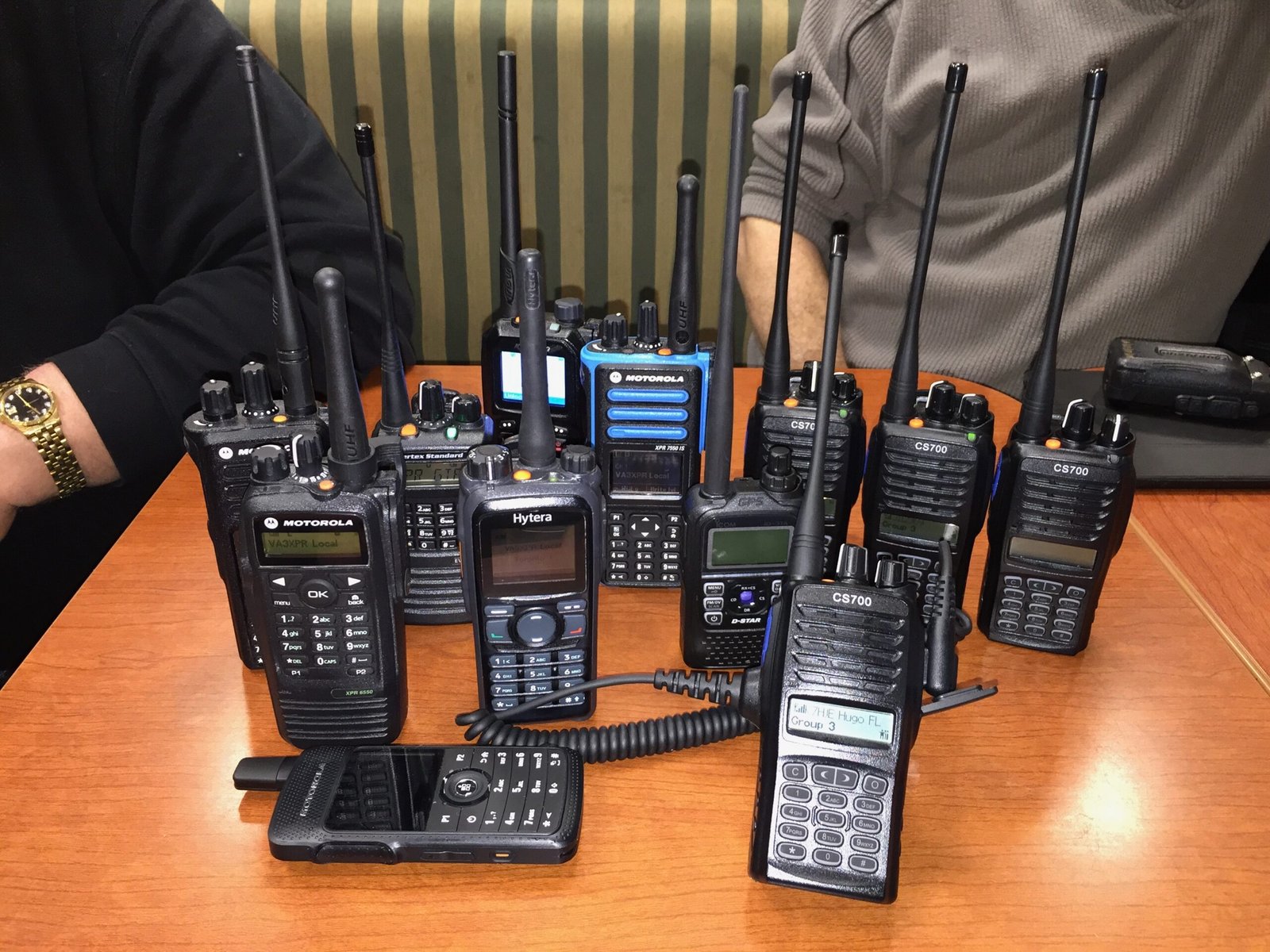
- DMR thrives on its worldwide talk-groups, for example, you can hop into a Canada-wide chat, a regional emergency net, or a hobby-specific TG at will.
- Fusion is loved for Wires-X rooms, which feel like persistent chat rooms on the air and are great for rag-chewing with friends.
- D-STAR has an elegant reflector network, letting you link distant repeaters easily for DX-style QSOs.
Ask what your local club uses for its digital nets; it’s always more rewarding to join the community already talking.
Step 5: Match the Mode to Your Priorities
Here’s how it often shakes out:
- The budget-minded operator → DMR for the low-cost radios and worldwide talkgroups.
- The plug-and-play rag-chewer → Fusion for its clean audio and Wires-X rooms.
- The world-linking experimenter → D-STAR for simple reflector hopping and Icom integration.
There’s no single “winner” – just the mode that fits your style.
Step 6: Your Next Move
Once you’ve picked a mode, resist the urge to buy three radios at once. Start with one good handheld or mobile rig, learn it well, and get on the air.
From there, check out our step-by-step beginner guides:
Each guide walks you through the setup process and helps you make your first digital QSO with confidence.
3 FAQs About Digital Modes
Can one radio do all three modes?
A few multi-mode handhelds exist, but most do two at best (DMR + analog, or Fusion + analog). For the smoothest experience, start with a single-mode radio that fully supports your chosen system.
What if there’s no digital repeater near me?
You can still join the networks using a hotspot – a small Wi-Fi-connected box that links your handheld to the internet.
Which mode sounds best?
Audio quality is close across the board; most hams say Fusion edges out the others for “warmth,” but antenna and signal strength matter more.
4 Closing Thoughts
Choosing your first digital voice mode isn’t about chasing specs – it’s about making your first on-air contacts as quickly and pain-free as possible.
Look locally, match your budget, and pick the mode that will keep you talking, not just configuring.
Once you do, that first crisp digital QSO will make the choice feel easy.
5 Related Reading on EvoHam
- What Is DMR in Ham Radio? Time Slots, Color Codes & More
- What Is BrandMeister DMR? How Hams Connect Worldwide
- What Is DMR-MARC? The Original DMR Backbone for Hams
Some links in this story are affiliate links. If you choose to buy through them, EvoHam may earn a small commission – at no extra cost to you. It helps support more stories like this.