






The BrandMeister DMR network is the world’s largest open digital-voice system for amateur radio. Linking thousands of repeaters and personal hotspots across more than 100 countries, it lets hams talk locally or globally through shared talk groups and simple programming. This guide explains how BrandMeister works, the key worldwide talk groups to know, and how you can join the conversation from anywhere on Earth.
1 Overview of BrandMeister DMR
If you’ve explored Digital Mobile Radio (DMR) for any length of time, you’ve probably come across the name BrandMeister, the global digital-voice network that links hams everywhere. It appears in codeplugs, hotspot dashboards, and repeater listings around the globe – a sure sign you’ve tapped into the most popular amateur DMR network.
But what exactly is the BrandMeister DMR network, and why do so many operators rely on it every day? Let’s look at how it works, why it’s unique, and how it connects hams on every continent into one seamless digital community.
2 From Experiment to Global Standard
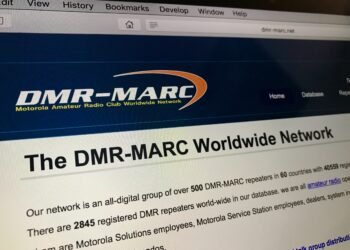
BrandMeister began in Europe in the mid-2010s as an open, community-driven alternative to more closed DMR systems such as DMR-MARC. Its creators wanted a platform built by radio amateurs, for radio amateurs – one that encouraged experimentation, interoperability, and open participation.
The name “BrandMeister” plays on a German-language twist: “Meister” meaning “master” or “expert,” signalling the network’s aim to master global DMR connectivity.
Today, BrandMeister has grown into a worldwide digital-voice backbone, linking repeaters and personal hotspots on every continent. Whether you’re calling through a mountaintop repeater in Spain or a Pi-Star hotspot in your shack in Brazil, your signal likely passes through a BrandMeister master server along the way.
3 How BrandMeister Works
At its core, BrandMeister is a network of master servers that route DMR voice and data between repeaters, hotspots, and other nodes. Each repeater or hotspot connects to a nearby master, and all masters interconnect to form a global mesh.
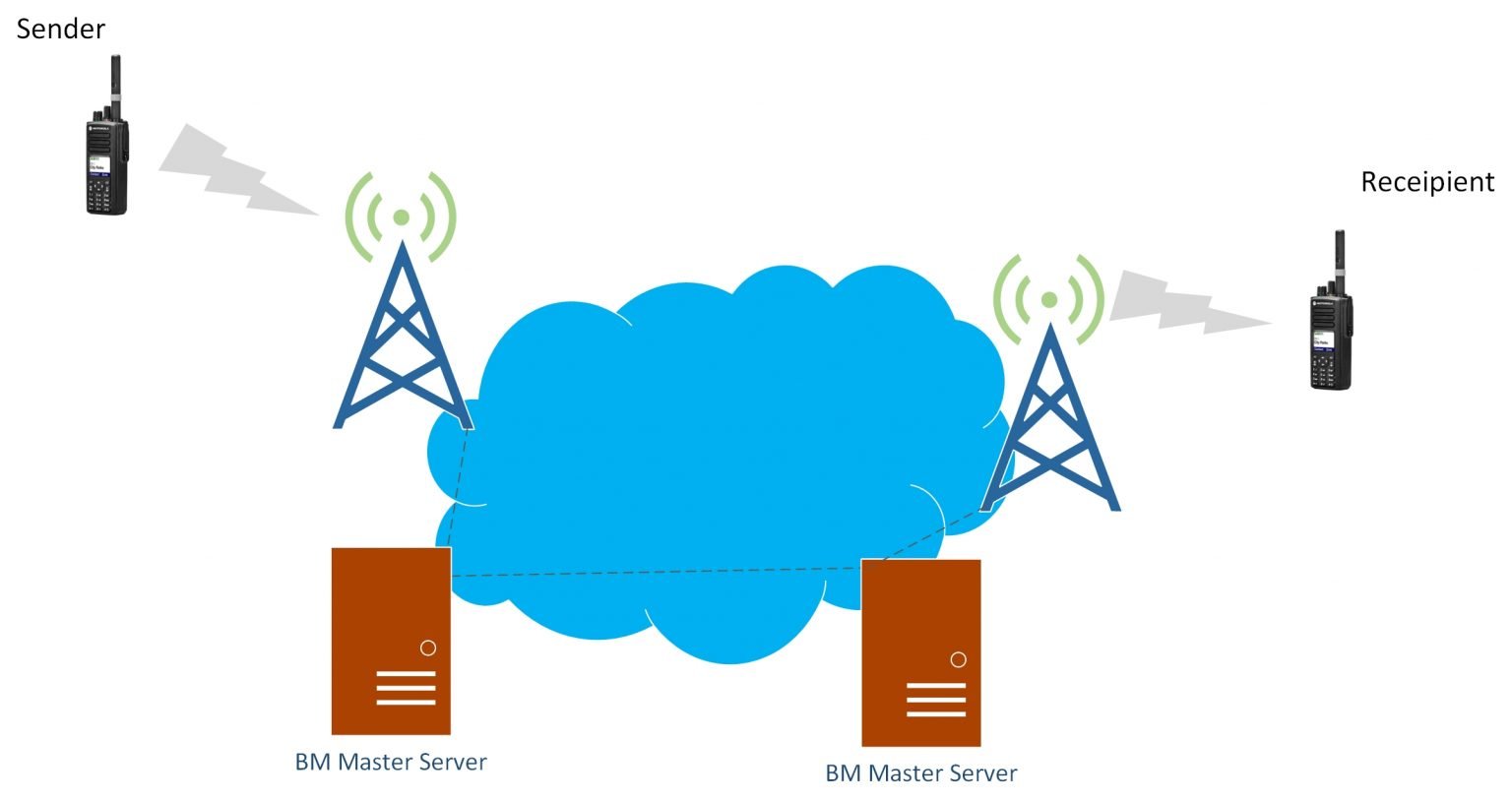
A few key concepts keep the system organized:
- Talk Groups (TGs) act like digital channels – each one carries a community or topic, from global nets to local regions.
- Time Slots (TS1 and TS2) split each DMR repeater channel in half, allowing two simultaneous conversations.
- Color Codes identify local repeaters, similar to CTCSS tones in analog systems.
For most operators, it’s as simple as programming the right TG, colour code, and time slot – BrandMeister’s network handles the rest.
4 BrandMeister Talkgroups You Should Know
Talkgroups are the heart of BrandMeister. Each one connects operators by region, language, or interest, creating a worldwide web of conversations that’s always active somewhere.
| Talkgrp | Name | Use | Notes |
|---|---|---|---|
| 91 | Worldwide | Global calling | Make contact then QSY. |
| 92 | Europe | Regional calling | EU calling. |
| 93 | North America | Regional calling | NA calling. |
| 94 | Asia/Middle East | Regional calling | AMEA calling. |
| 95 | Australia/New Zealand | Regional calling | Oceania calling. |
| 98 | Radio Test | Audio checks | For quick checks. |
| 3100 | USA Nationwide | National calling | Main US TG. |
| 235 | UK Call | UK calling | Make contact then QSY. |
| 2350 | United Kingdom | National calling | Common UK-wide TG. |
| 262 | Germany | National calling | Main German TG. |
| 901 | TAC 1 (Worldwide) | For longer QSOs | For extended QSOs. |
| 902 | TAC 2 (Worldwide) | For longer QSOs | Same purpose as TAC 1. |
| 903 | TAC 3 (Worldwide) | For longer QSOs | Same purpose as TAC 1. |
| 1 | Local | Site/local traffic | Check local guidance. |
| 8 | Regional | Regional use | Used for regional clusters. |
| 9 | Local (Repeater) | Local QSOs | Often repeater-only. |
Thousands more exist for countries, regions, special interests, and club nets. Browse the full list on the
BrandMeister Talk Groups Directory.
5 What Makes BrandMeister DMR Different
Unlike traditional DMR networks that use centrally controlled bridges, BrandMeister gives local sysops and users more freedom. You can connect your own hotspot, create dynamic links to talk groups, and even experiment with cross-mode gateways.
Some of the key benefits include:
- Open access: any licensed ham can connect a personal hotspot.
- Dynamic talk groups: key up a TG and it becomes active instantly.
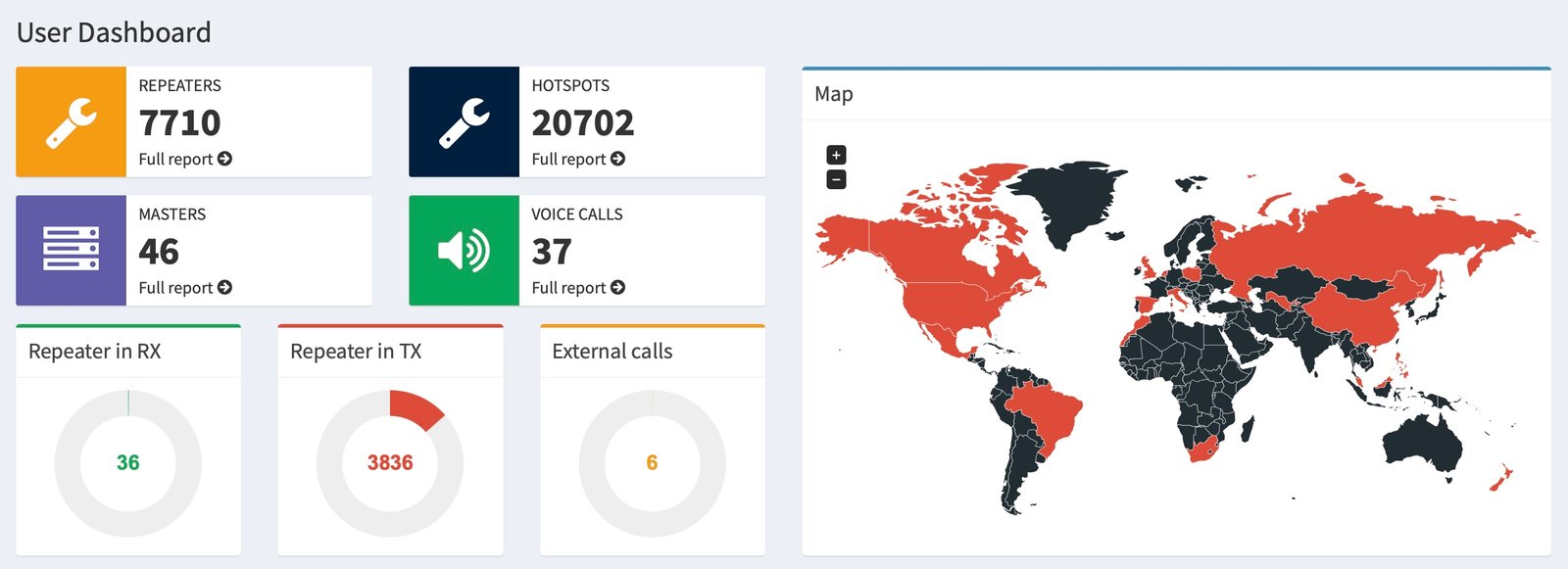
- Live dashboards: monitor real-time traffic on the BrandMeister network dashboard.
- Hoseline streaming: listen to active talk groups directly from your browser.
- Multi-language, global reach: from local nets to worldwide groups, BrandMeister is multilingual and truly international.
6 A Worldwide Community
BrandMeister isn’t just about technology – it’s about community. Every day, operators check in from every corner of the world, forming a live, multilingual tapestry of amateur radio voices. Whether you’re talking across town or across an ocean, BrandMeister makes digital communication feel effortless.
It’s the heart of modern DMR – open, evolving, and connecting hams everywhere.
7 Getting Connected
Ready to join the network yourself? See our detailed BrandMeister Connection Guide for step-by-step instructions on registering your DMR ID, choosing a master server, and programming your radio or hotspot.
8 Quick Facts
| Network Name | BrandMeister DMR Network |
|---|---|
| Scope | Global |
| Founded | Mid-2010s |
| Technology | DMR (Digital Mobile Radio) |
| Access | Repeaters or personal hotspots |
| Popular Global TGs | 91 (Worldwide), 3100 (North America), 2350 (UK), 262 (Germany) |
| Dashboard | brandmeister.network |
| Typical Time Slot Use | TS1 = Wide-area; TS2 = Local |
| Registration | RadioID.net |
9 In Summary
The BrandMeister DMR network has transformed how hams communicate worldwide. What started as an open-source experiment is now a living global infrastructure that links thousands of systems and operators.
From Tokyo to Toronto, Cape Town to Copenhagen – BrandMeister lets amateur operators share ideas, cultures, and conversations with just a push of PTT. In an era when many things divide us, this network shows how far a shared passion for radio can reach.
10 Related Reading on EvoHam
- DMR for Beginners: A Step-by-Step Guide for New Hams
- DMR vs Fusion vs D-Star: How to Choose the Right Digital Ham Radio Mode
- What Is DMR-MARC? The Original DMR Backbone for Hams
Some links in this article are affiliate links. If you purchase through them, EvoHam may earn a small commission – at no extra cost to you. Your support helps us keep creating detailed ham radio guides, reviews, and resources for the amateur radio community.