



Digital voice in ham radio is changing the way operators connect – offering clearer audio, extra features, and worldwide reach. This beginner’s guide explains what digital voice is, how it works, and how to get started with popular modes like DMR, D-STAR, and Fusion.
When most of us picture ham radio, we imagine the warm hiss of an analog signal or the comforting crackle of FM voice on a handheld. But over the past two decades, a quiet revolution has been reshaping amateur radio communications: digital voice.
If you’re new to ham radio or just curious about the “digital” side of the hobby, this guide will help you understand what digital voice is, why it’s become so popular, and how you can start exploring it yourself.
1 Digital Voice in Ham Radio: A New Era for the Hobby
In traditional analog radio, your voice is transmitted as a continuous radio wave. As that wave travels, it’s vulnerable to static, fading, and interference – the classic hiss and hum that hams have learned to live with.
Digital voice (DV) changes that. Instead of sending your voice as an analog wave, a DV radio converts it into a stream of data – bits and bytes, before sending it over the air. On the receiving end, another DV radio decodes that data and reassembles it into your voice.
This shift may sound technical, but the effect is something you can hear immediately: clearer audio, often free of background noise, even when signals are weak.
Think of it as the difference between tuning in to an old AM car radio versus streaming music in high-definition. The content is the same – your voice, but the experience is dramatically improved.
2 Analog vs. Digital: How They Compare
For decades, analog FM was the go-to for local VHF/UHF ham radio. It’s simple, robust, and works with even the most basic radios. But as you get further from the repeater, the audio slowly degrades – more hiss, more static.
Digital voice behaves differently. As long as the receiving radio can decode the digital data, the voice stays clean and intelligible. When the signal finally gets too weak, it tends to drop out all at once, commonly known as the “digital cliff” effect.

The other big difference is that digital modes can carry extra information along with your voice, such as your callsign, GPS position, or text messages, thus opening up entirely new possibilities for how hams connect.
3 Why Digital Voice Matters
The move to digital isn’t just about cleaner audio. It’s about how we communicate as a global ham community:
- Worldwide Reach: Many digital repeaters and personal hotspots link to the internet, allowing your handheld in a small town to connect with operators across the globe.
- Efficient Spectrum Use: Digital modes use narrower bandwidth, leaving more room for others on the same band. This is especially important for commercial users of the technology.
- Emergency Communications: In difficult conditions, DV’s clarity can be crucial for passing critical information quickly.
- Modern Features: Callsign display, private messaging, and GPS tracking all come built into many DV systems.
For many hams, this blend of classic radio with modern networking is what makes DV so exciting.
4 The Main Digital Voice Modes
You’ll often hear hams mention specific “flavors” of DV. Each has its own technology and network:
- DMR (Digital Mobile Radio): Originally for commercial two-way radios, it’s now a popular, affordable choice for hams. It organizes conversations into talkgroups – like virtual chat rooms on the air.
- D-STAR: Developed specifically for amateur radio by the Japan Amateur Radio League (JARL) and supported by Icom and Kenwood. It uses callsign routing, which makes it easy to reach other operators directly.
- Yaesu System Fusion (C4FM): Designed by Yaesu, this mode lets radios seamlessly switch between analog FM and digital, which makes it easy for clubs transitioning to DV.
- NXDN and P25: Both started in commercial and public-safety communications but have found a home in amateur radio for their audio quality and narrow-band efficiency.
You don’t have to learn them all – start with what your local club or repeaters use.
DMR: Digital Mobile Radio
Originally designed for commercial and to lesser degree, public-safety communications, DMR (Digital Mobile Radio) has become one of the most popular digital voice modes in ham radio thanks to its affordability and global reach.
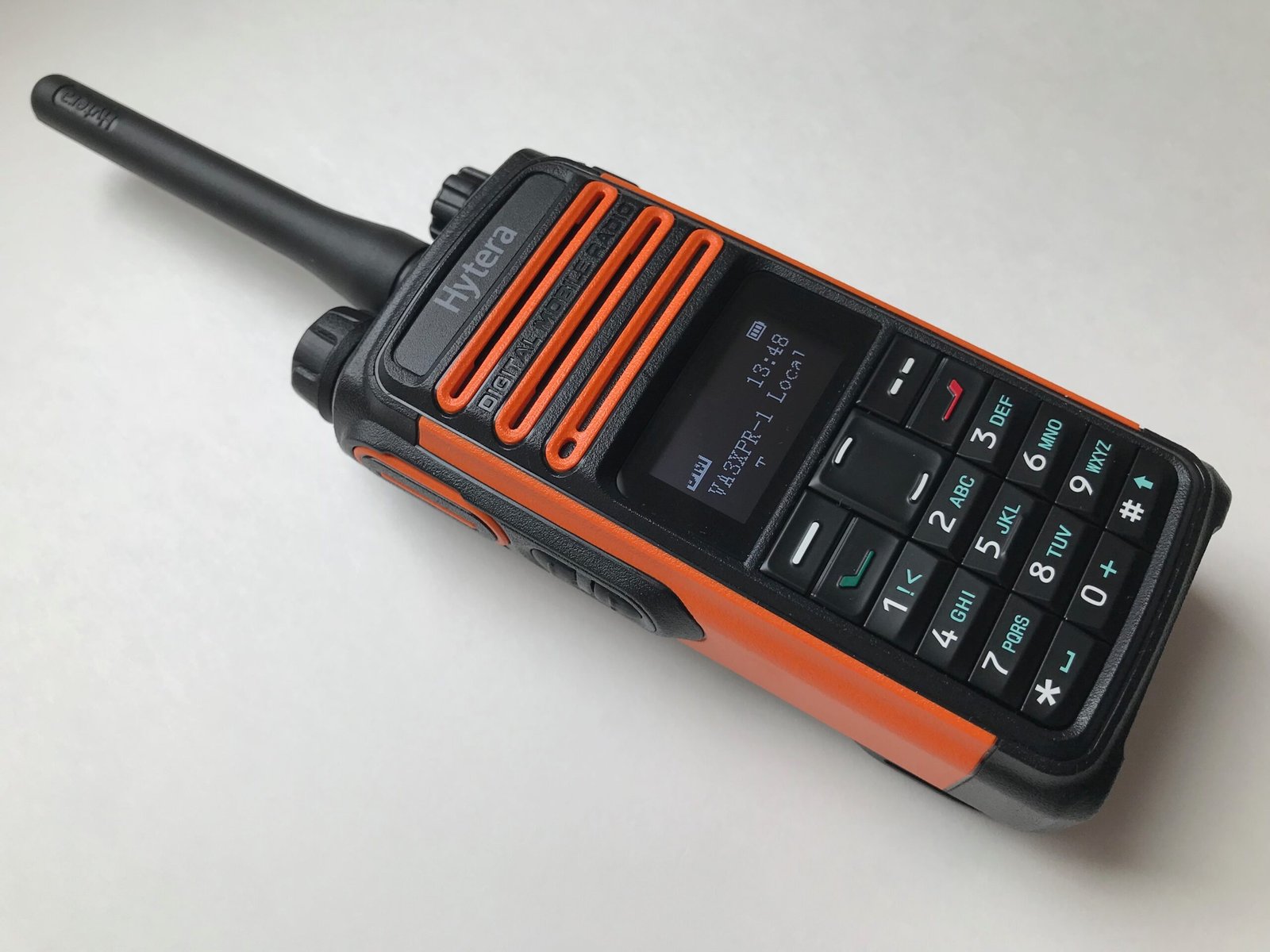
DMR uses a system of talkgroups – like virtual chat rooms on the air, so hams can join worldwide nets or keep things local. Most DMR repeaters are linked to Internet-based networks such as DMR+, BrandMeister or TGIF, which let handheld radios connect to stations across the globe.
Because DMR radios are widely available from budget-friendly brands like TYT and Radioddity, it’s often the entry point for newcomers to digital voice in ham radio. Operators enjoy its efficient use of spectrum, good audio quality, and large international community.
D-STAR: The Original Ham-Focused Digital Voice
D-STAR (Digital Smart Technologies for Amateur Radio) was created by the Japan Amateur Radio League (JARL) specifically for amateur radio use, making it one of the earliest DV modes embraced by hams.

Its signature feature is callsign-based routing. Instead of dialing a talkgroup, you can direct your signal to another ham’s callsign anywhere in the world if they’re connected to the network.
D-STAR repeaters and hotspots link through reflectors, which are digital conference bridges that let multiple repeaters and users join the same conversation. Popular with Icom and Kenwood gear, D-STAR remains a reliable and straightforward option for those who value simplicity and global callsign routing.
Yaesu System Fusion (C4FM)
Yaesu’s System Fusion, often called C4FM, was designed to make the transition from analog to digital easy for hams. Fusion repeaters and radios can handle both traditional analog FM and digital C4FM voice on the same channel, so clubs don’t need separate infrastructure.

One of Fusion’s signature features is Wires-X “rooms,” which act like virtual meeting spaces that link repeaters and hotspots worldwide. This flexibility, plus clear audio quality, has made Fusion popular with clubs upgrading their analog systems.
For beginners who already own or plan to buy Yaesu gear, Fusion is often the smoothest path into digital voice in ham radio.
P25 and NXDN: Public-Safety Tech Adopted by Hams
Both P25 (Project 25) and NXDN started as standards for public-safety and commercial radio systems, but have since been adopted by parts of the amateur community – especially for emergency communications or specialized club projects.
- P25 is well-known in North America for its use by police, fire, and EMS. Many surplus P25 radios are now available to hams at affordable prices, and several amateur repeaters support the mode for interoperability.
- NXDN is valued for its narrow-band efficiency and clear audio, making it attractive for clubs needing to conserve spectrum or experiment with advanced DV technologies.
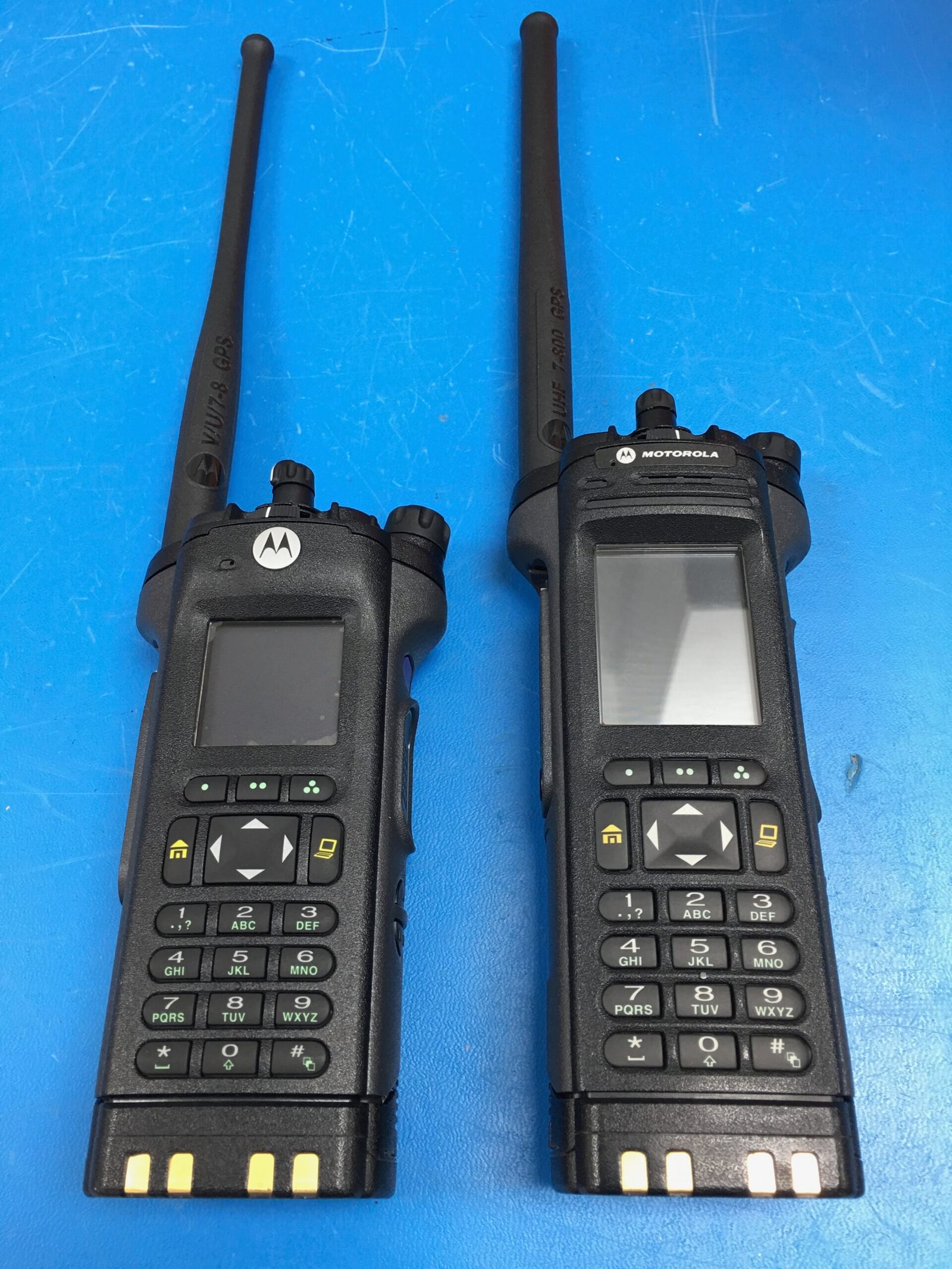
While not as widespread as DMR or Fusion, both P25 and NXDN remain important tools for emergency-service-minded hams and enthusiasts who enjoy experimenting with commercial-grade digital systems.
5 Getting Started with Digital Voice
Starting out in DV doesn’t mean leaving analog behind. Most modern radios offer both modes. Here’s how many beginners approach it:
- Pick the Right Radio: Choose a DV-capable handheld or mobile radio. If your local repeater is DMR, that’s your best bet.
- Connect to the Network: If there’s no DV repeater nearby, a personal hotspot, which is like a small Pi-Star device, lets you reach global networks from home.
- Program Your Radio: Unlike analog, DV radios often need to be loaded with a codeplug (a file with frequencies, talkgroups, and settings). It sounds daunting, but there are guides and active online communities ready to help.
- Get Licensed: No matter the mode, you still need an amateur radio license for your country to transmit.
The first few steps might feel technical, but they’re no harder than learning to use a new smartphone, and the payoff is worth it.
6 A Few Terms to Know
Digital voice in ham radio comes with its own vocabulary. A few essentials:
- Talkgroup: A virtual “room” for organizing conversations on DMR networks.
- Reflector / Room: Digital bridges that let multiple repeaters or hotspots link together.
- Timeslot / Color Code: Technical settings that keep different DMR conversations from interfering with each other.
- Hotspot: A small personal access point that connects your DV radio to the internet.
- Codeplug: The configuration file that tells your DV radio how to operate.
Knowing these terms will make it easier to follow conversations in DV forums and user groups.
7 Pro Tips for Your First Digital Voice QSO
Start simple. Use your radio in analog mode first so you’re comfortable with its controls. Then try DV on a local repeater or a low-key talkgroup to get the hang of it.
Join a local amateur radio club – most clubs now have DV enthusiasts who can help troubleshoot your first setup. And always keep a few analog channels handy: there are still plenty of hams who haven’t gone digital yet.
8 The Future of Ham Radio Voice
Digital voice hasn’t replaced analog FM – and probably never will, but it has added a new dimension to the hobby. From crystal-clear audio on a handheld to worldwide QSOs using hotspots, DV shows how ham radio continues to evolve while keeping its experimental spirit alive.
For newcomers, it’s one of the most rewarding ways to explore how radio and digital technology meet. Give it a try – you might find your first digital QSO opens a whole new chapter of ham radio adventure.
9 Related Reading on EvoHam
- DMR for Beginners: A Step-by-Step Guide for New Hams
- DMR vs Fusion vs D-Star: How to Choose the Right Digital Ham Radio Mode
- D-STAR for Beginners: A Step-by-Step Guide for New Hams
Some links in this story are affiliate links. If you choose to buy through them, EvoHam may earn a small commission – at no extra cost to you. It helps support more stories like this.