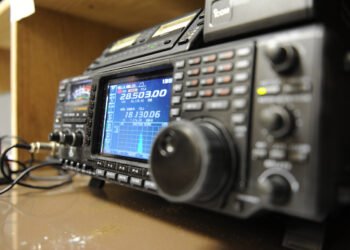




Curious about P25? This P25 for Beginners guide explains what Project 25 is, how it works, and why it’s so widely used in public-safety communications – and even by some amateur radio operators. Learn how P25 differs from DMR, Yaesu Fusion, D-STAR, NXDN and M17, and what you’ll need if you want to listen in or experiment on the ham bands.
1 Meet P25: The Digital Voice Standard for Public Safety
Project 25 (P25), also known as APCO 25, is a digital radio standard developed for interoperability between emergency services – police, fire, EMS, and federal agencies. It was developed in the late 1980s by the Association of Public-Safety Communications Officials (APCO) to replace aging analog FM voice systems with something clearer, more secure, and more spectrum-efficient.
While modes like DMR and Yaesu Fusion were created with commercial or amateur use in mind, P25 was born for first responders. Every aspect of it – from its audio codec to its trunking architecture, was built to ensure that radios from different manufacturers could talk to each other when it matters most. Because P25 is an open standard for public safety communications, several manufacturers build compatible P25 radios, repeaters, and infrastructure equipment, including Motorola, Icom, Harris, EF Johnson, Tait, BK Technologies, and others.
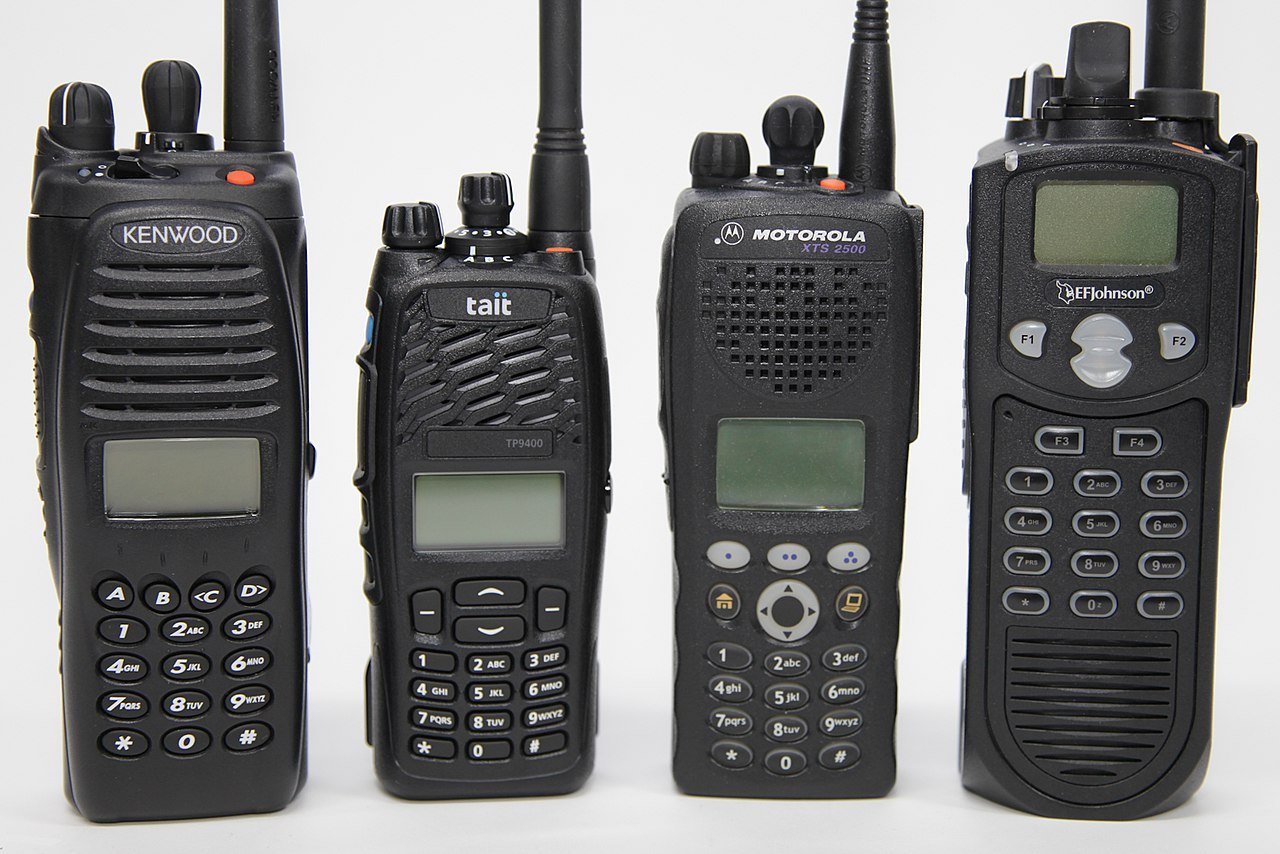
Today, P25 systems are used across North America and beyond, often integrated into regional or national emergency networks. But hams have also found ways to explore it, using surplus gear or repeaters configured for amateur frequencies.
2 How P25 Works
At its core, P25 is a digital voice system that converts your speech into bits using a vocoder (specifically, the IMBE or AMBE codec). These bits are then transmitted over the air using C4FM or CQPSK modulation – two techniques that make the signal more resistant to noise and weak-signal conditions than traditional analog FM.
The system operates in two main phases:
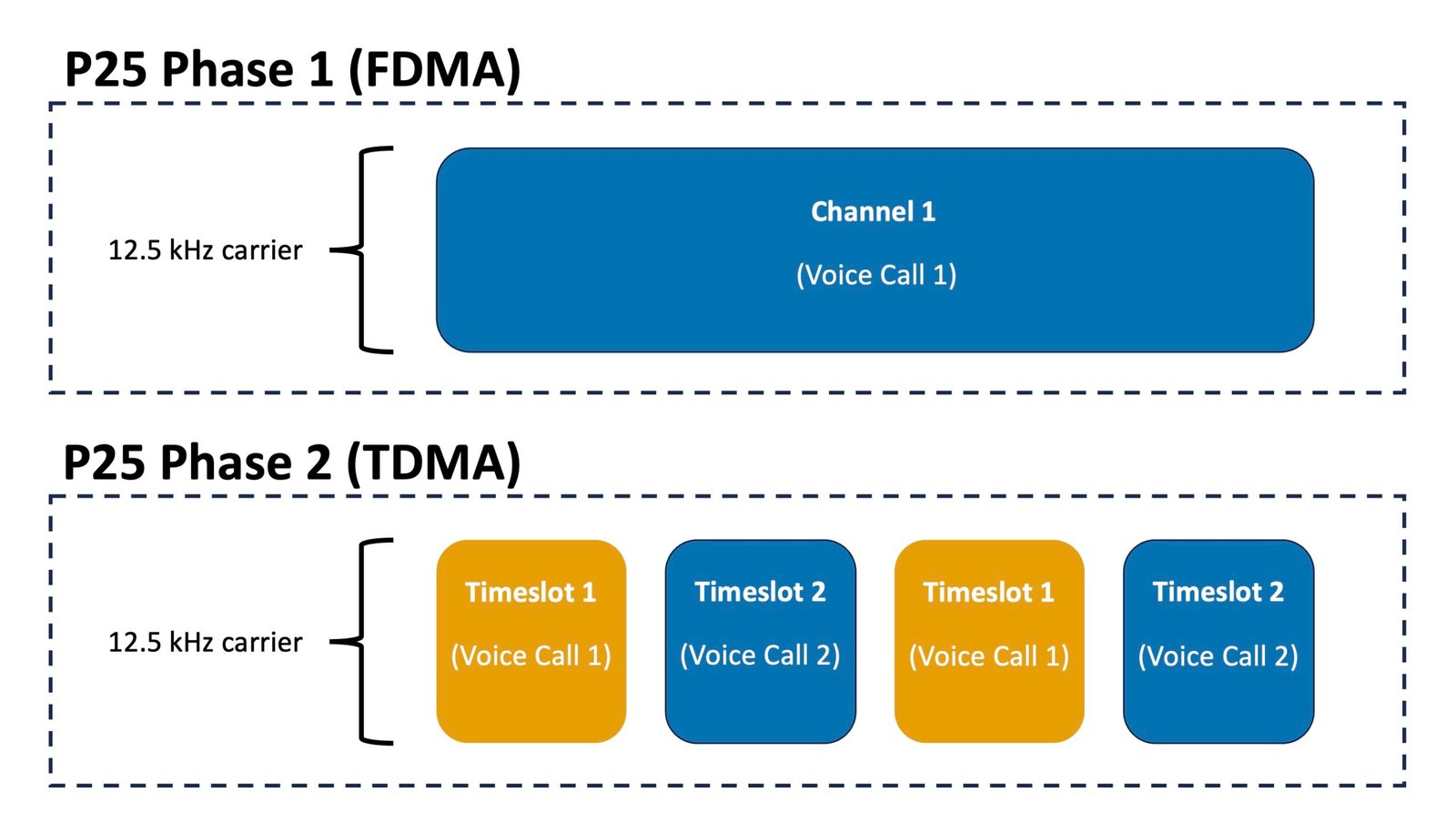
- Phase 1 uses FDMA, meaning one user per 12.5 kHz channel.
- Phase 2 adds TDMA, splitting that same 12.5 kHz channel into two timeslots, effectively doubling voice capacity.
Both phases are still in use today, and many modern P25 radios support both for backward compatibility.
Each P25 transmission carries a Network Access Code (NAC), which is a 12-bit hexadecimal value that acts like a squelch code. If your radio’s NAC doesn’t match, it ignores the signal. That’s how P25 systems separate traffic without relying on analog tones.
3 Conventional vs. Trunked P25
P25 can run in two modes:
- Conventional systems are simple, as each channel is tied to a fixed frequency, just like a standard repeater.
- Trunked systems are more advanced, as they use a control channel to dynamically assign frequencies as users key up, allowing hundreds of talkgroups to share limited spectrum efficiently.
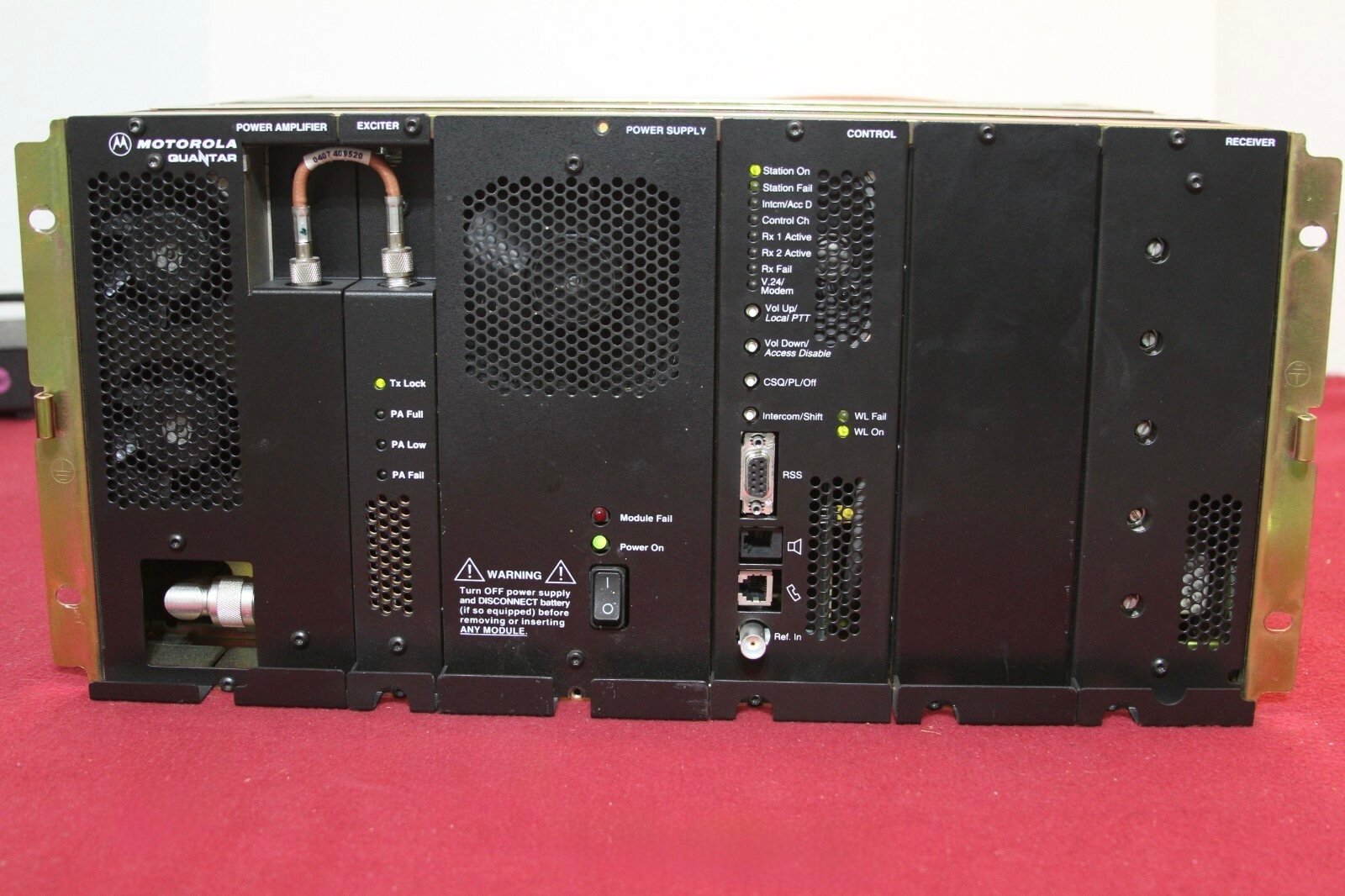
Most public-safety agencies use trunked networks, but some smaller departments and amateur groups prefer conventional operation because it’s simpler to program and monitor.
4 Encryption and Security
Because P25 serves police and military users, encryption is a big part of the design. It supports multiple standards, including DES, 3-DES, and AES-256, plus features like Over-The-Air Rekeying (OTAR) for updating encryption keys remotely.
However, encryption also means that most public-safety P25 traffic is off-limits to scanners or hobby radios, as you’ll hear only digital noise or silence if the traffic is encrypted. For hams, though, P25 can be used in the clear, making it a fully legal and open digital voice option when configured for amateur use.
5 Why P25 Still Matters
Even though DMR, Fusion, D-STAR, and M17 dominate the ham-radio side of digital voice, P25 remains important for several reasons:
- Interoperability – It’s the foundation for communication between different public-safety agencies and manufacturers.
- Reliability – Strong error correction means cleaner audio even at weak signal levels.
- Backwards compatibility – Many P25 repeaters can operate in both analog FM and digital mode, making the transition seamless.
- Experimentation – Some hams enjoy working with professional-grade equipment and decoding trunked systems (for receive-only hobby use).
In other words, P25 gives you a peek into the world of professional digital radio design, which are rugged, standards-driven, and highly engineered.
6 How P25 Compares with Other Digital Modes
| System | Typical Use | Access | Voice Slots | Notable Traits |
|---|---|---|---|---|
| P25 | Public Safety Ham Radio | Open standard (APCO) | 1 (P1) or 2 (P2) in 12.5 kHz | Strong error correction, encryption support |
| DMR | Commercial Ham Radio | ETSI open standard | 2 in 12.5 kHz | Widely adopted, inexpensive gear |
| Yaesu Fusion | Ham Radio | Proprietary (Yaesu) | 1 per 12.5 kHz | Easy setup, auto-detect analog/digital |
| D-STAR | Ham Radio | Icom / open protocol | 1 per 6.25 kHz | Callsign routing, data capabilities |
| M17 | Ham Radio | Fully open-source | 1 per 12.5 kHz | 100% open, experimental |
| NXDN | Commercial Ham Radio | Proprietary (Kenwood / Icom) | 1 per 6.25 or 12.5 kHz | Narrowband digital, good audio quality, limited ham adoption |
For hams, the biggest difference is availability: P25 repeaters are relatively rare, while DMR and Yaesu Fusion are everywhere. But if you find one, or set up your own, you’ll experience professional-grade digital performance with superb clarity.
7 Getting Started with P25
If you want to explore P25 as a hobbyist or amateur operator, here’s how to begin:
- Listen first. Use a scanner or SDR that supports P25 decoding. Start by monitoring local public-safety channels (receive-only).
- Find a ham-accessible P25 repeater. Check databases or regional repeater listings – there are small networks in the U.S., Canada, and Europe that welcome ham use. You can also search RepeaterBook or similar online directories to find P25 repeaters in your area, complete with frequencies, NAC codes, and access details.
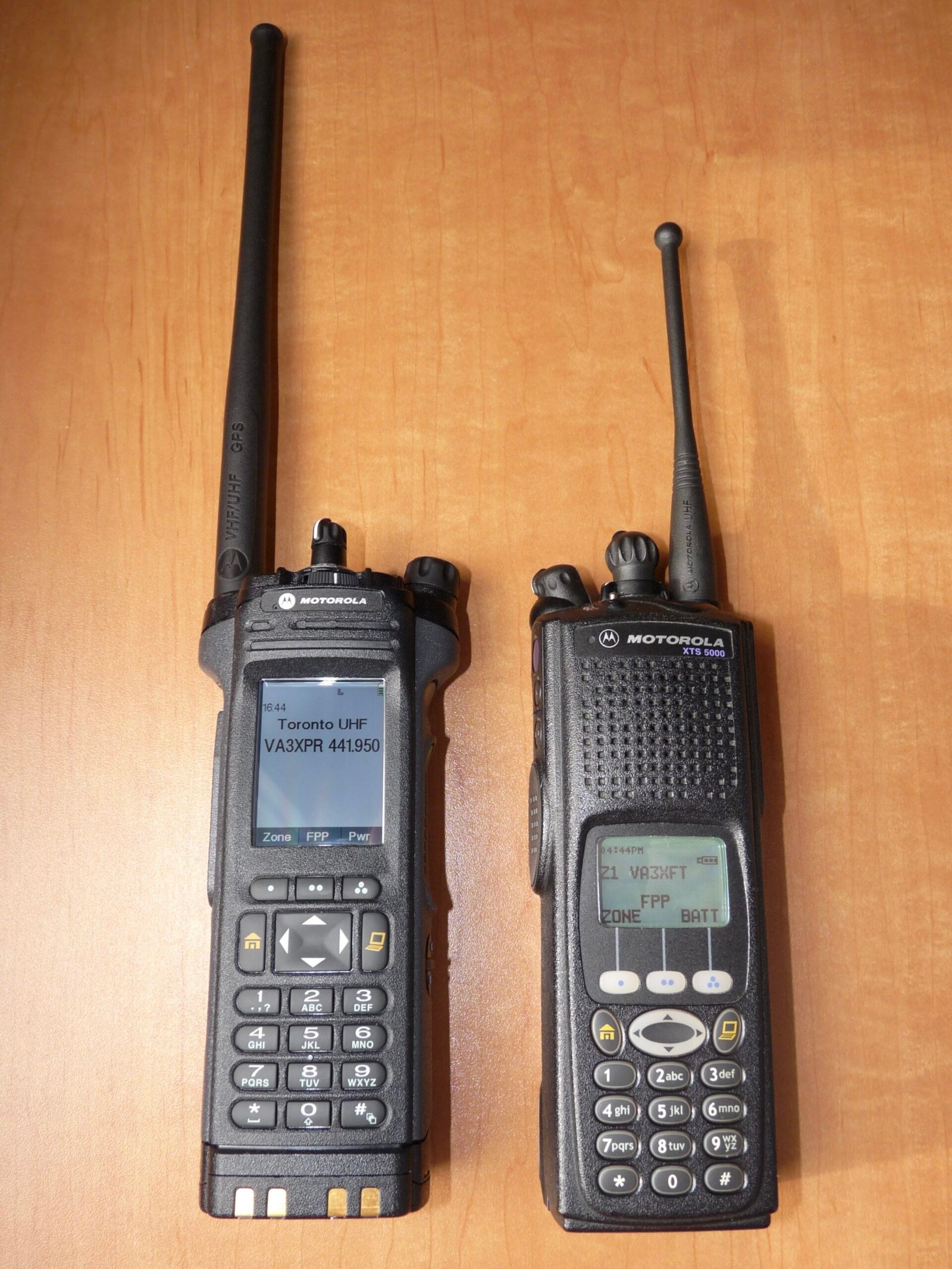
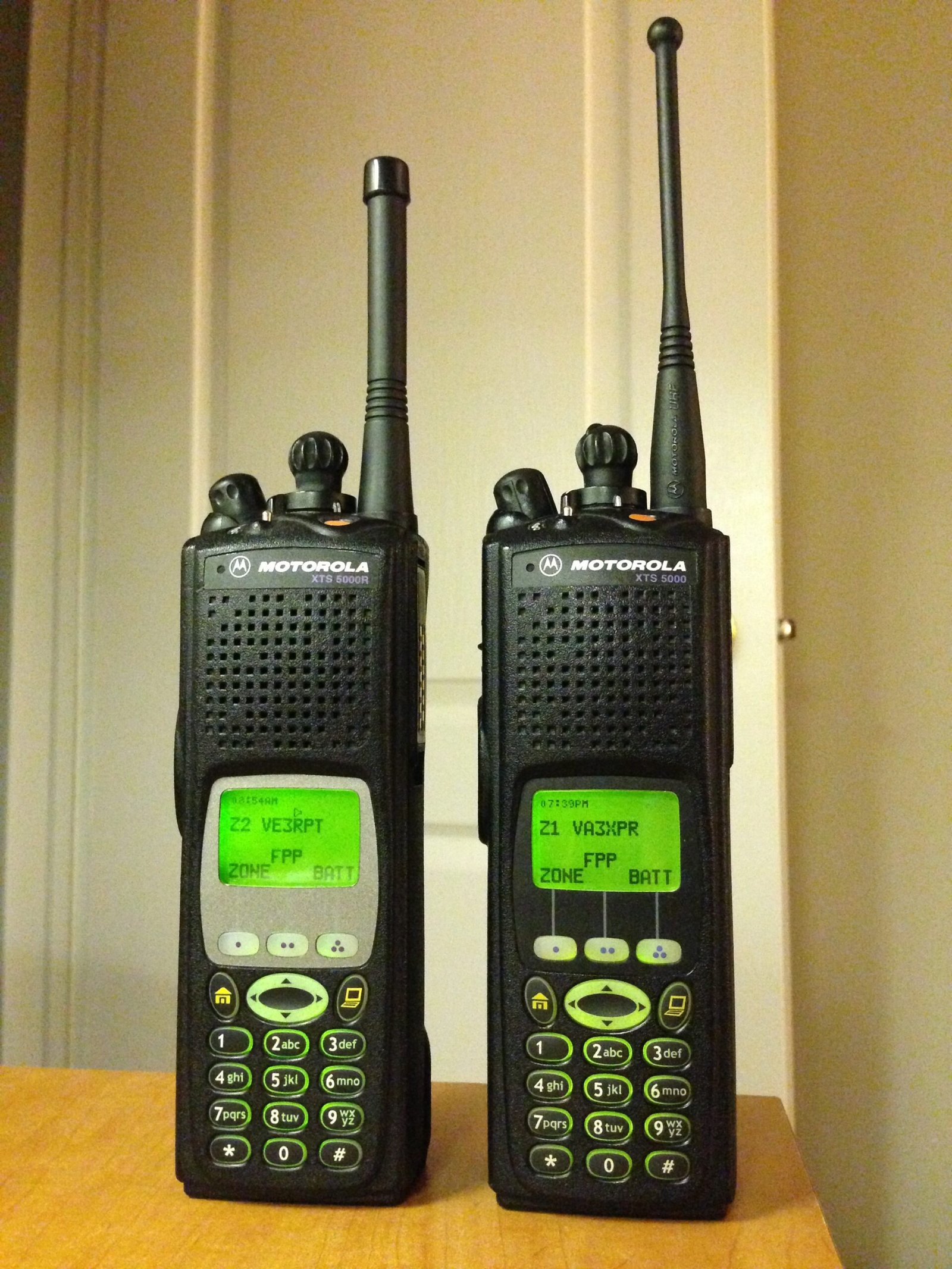
- Choose compatible gear. Many used P25 radios, such as Motorola XTS/XTL or Harris models, are affordable on the second-hand market, but you’ll also need the Customer Programming Software (CPS) to configure them, which is usually sold separately or licensed at a cost.
- Program carefully. You’ll need to set the frequency, NAC, and talkgroup ID. Free tools and community codeplugs can help.
- Stay legal. Only transmit on frequencies authorized for amateur use and never attempt to access encrypted or restricted networks.
Once your radio is configured, you can join local experiments or link systems over the Internet using ISSI (Inter-RF Subsystem Interface) – the same technology used by public-safety agencies to bridge networks.
Using P25 With Hotspots
Some hams use P25-compatible hotspots (like Pi-Star–based devices with MMDVM boards) to connect to other amateur P25 systems or even cross-mode gateways for DMR, D-STAR, or Fusion. This lets you explore P25 networks worldwide, even if there’s no local repeater nearby.
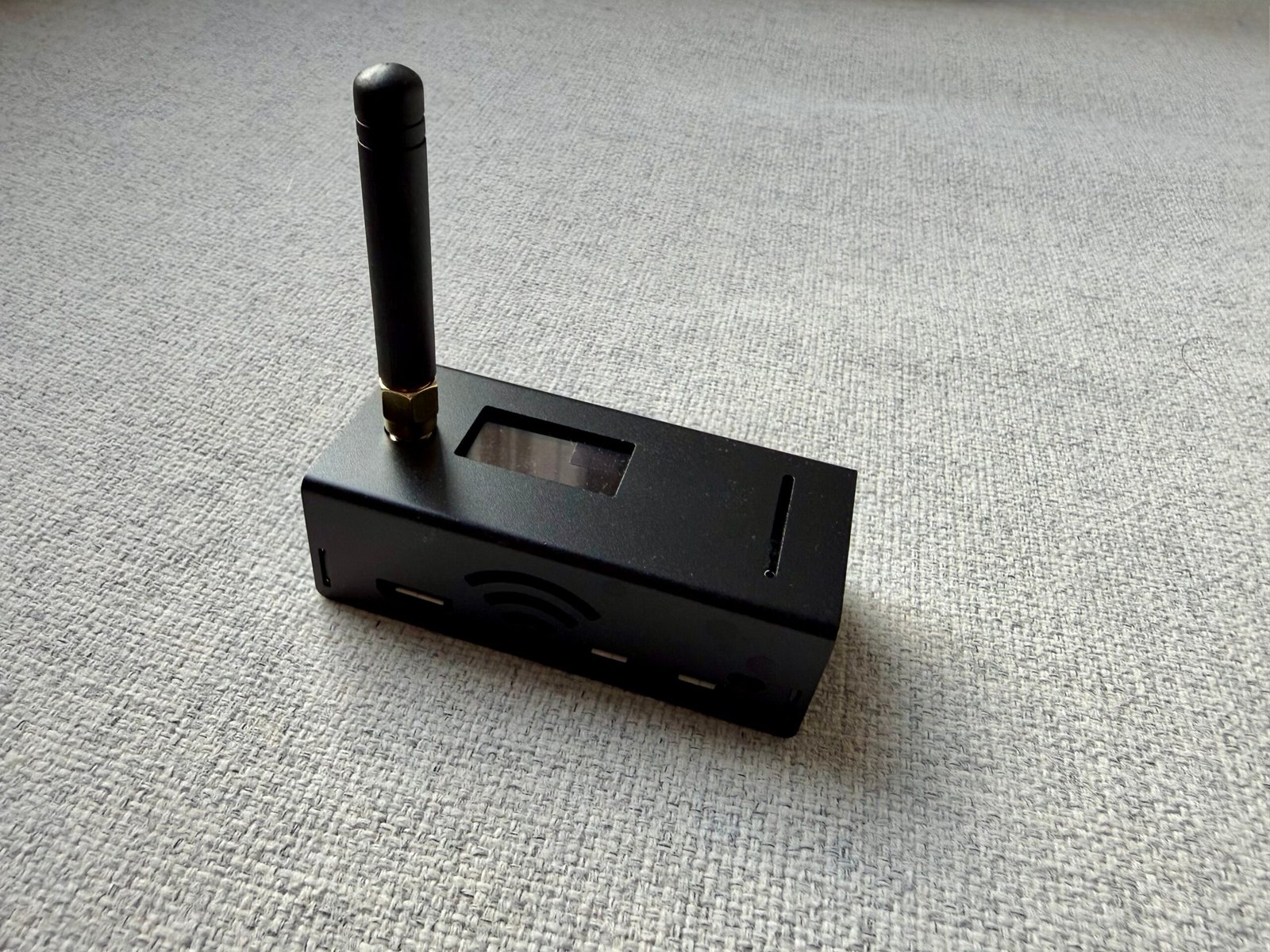
Hotspot configuration usually involves selecting a P25 host network, entering your DMR ID, and adjusting transmit/receive parameters in the hotspot’s dashboard – separate from programming your P25 radio itself.
8 Common Pitfalls
- Encrypted systems: Most real-world P25 traffic is encrypted; you won’t hear voice on scanners.
- Programming complexity: Commercial-grade radios can be intimidating compared to plug-and-play ham models.
- Limited amateur coverage: Unlike DMR or Fusion, you may need to search hard for active P25 ham repeaters.
But for many, that’s part of the fun – learning how professional digital systems really work.
9 FAQs
What does “P25” stand for?
It stands for Project 25, an interoperability standard developed by APCO for digital public-safety radio systems.
Can I use P25 for ham radio?
Yes! Several groups operate amateur P25 repeaters. Just make sure your radio and frequency are properly licensed.
What’s the difference between Phase 1 and Phase 2?
Phase 1 uses one channel (FDMA), while Phase 2 uses two time slots (TDMA) for better spectral efficiency.
Do I need a special radio?
You’ll need a radio or scanner that supports P25, such as many Motorola, Harris, or Uniden models.
Is P25 open source like M17?
No. It’s an open standard – not proprietary to one company, but not community-developed like M17.
10 Continue Learning about P25
P25 in amateur radio tends to attract operators who enjoy working with commercial-grade equipment and understanding how professional digital voice systems translate into the ham radio world.
If you’re exploring P25 for amateur use, wondering about suitable radios, simplex vs repeater operation, audio characteristics, or how P25 fits alongside other digital voice modes, the EvoHam Community provides a place to explore those questions and learn from real-world ham experience.
Visit the EvoHam Community’s P25 section to see how other hams are using P25 on the air, share setup experiences, and compare notes on what works well in amateur environments.
11 Final Thoughts
P25 might not be as common in the ham world as DMR or Fusion, but it’s a fascinating system to explore. It represents the backbone of public-safety communications – engineered for reliability, security, and interoperability.
For amateur operators who love experimenting with digital modes, P25 offers something different: a window into the same technology trusted by first responders every day.
12 Related Reading on EvoHam
- Fusion for Beginners: A Step-by-Step Guide to Yaesu System Fusion
- DMR for Beginners: A Step-by-Step Guide for New Hams
- M17 for Beginners: A Step-by-Step Guide for New Hams
Some links in this story are affiliate links. If you choose to buy through them, EvoHam may earn a small commission – at no extra cost to you. It helps support more stories like this.