






A new open-source firmware project is bringing some exciting capabilities to affordable digital ham radios, potentially allowing hams to experiment with P25, NXDN and DMR using equipment they may already own.
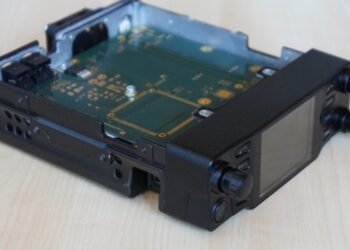
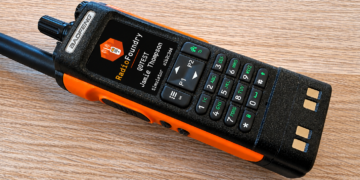
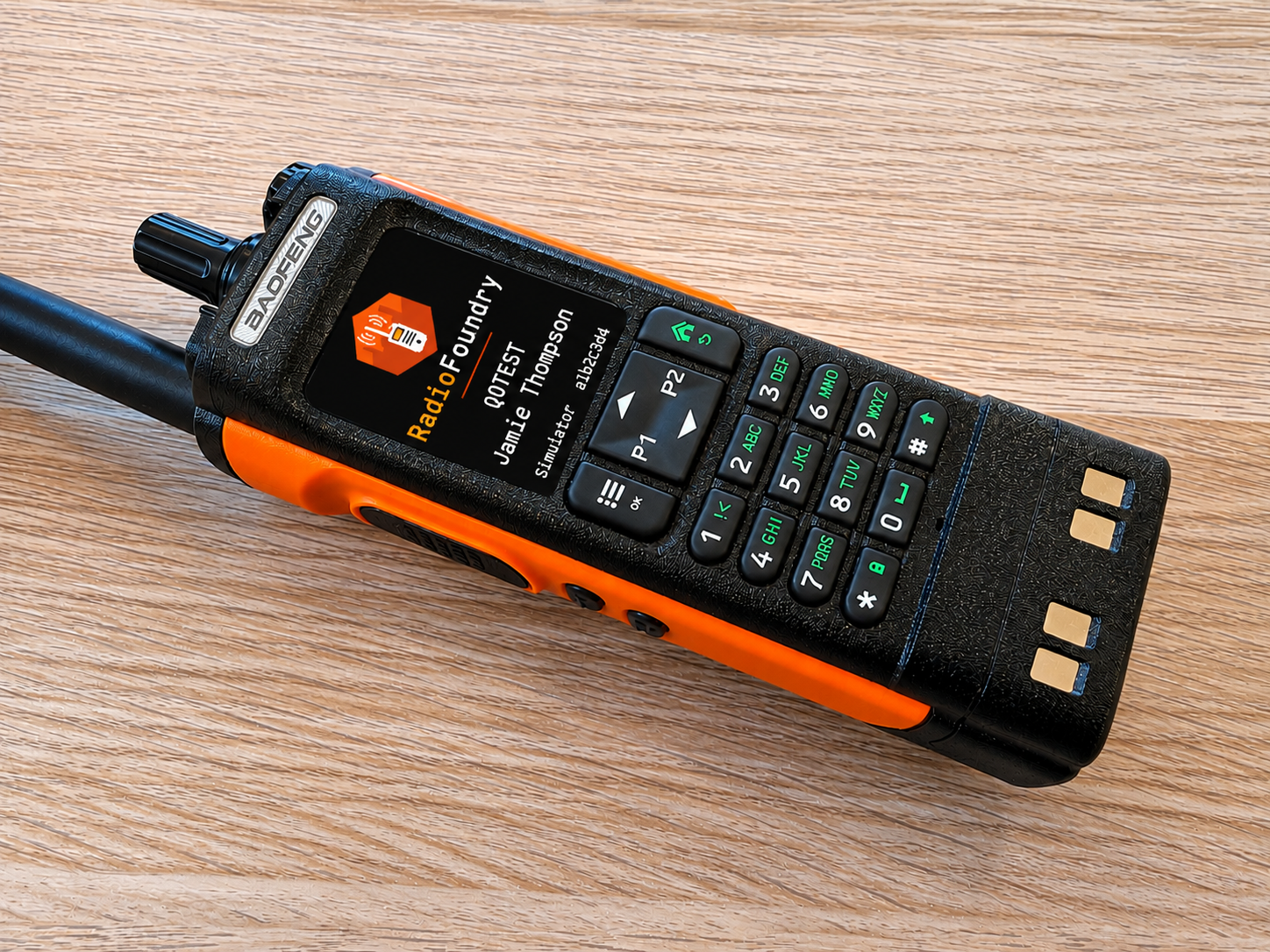
The RadioFoundry project has developed alternative firmware that adds support for APCO Project 25 (P25) and Next Generation Digital Narrowband (NXDN) to several popular Digital Mobile Radio (DMR) radios, including the Baofeng DM-32UV, DM-1701, TYT MD-UV380 and Retevis RT3S.
For hams interested in experimenting with different digital voice technologies, this is a noteworthy development. P25 and NXDN have traditionally been associated with commercial and public safety radio equipment, often costing considerably more than a typical ham radio DMR handheld.
Now, with experimental firmware, some inexpensive DMR radios could provide access to multiple digital voice standards without requiring separate equipment for each.
And perhaps most interestingly, RadioFoundry isn’t limited to a single manufacturer or radio model.
1 What Is RadioFoundry?
RadioFoundry is a free, open-source firmware project designed to extend the capabilities of existing digital radios.
Rather than developing software exclusively for one model, the project uses a common firmware platform that can be adapted to radios from manufacturers such as Baofeng, TYT, Retevis and Radioddity.
The software is released under the permissive MIT licence, allowing developers to examine, modify and build upon the source code.
Beyond analog FM and DMR, RadioFoundry adds support for P25 Phase 1 and NXDN, allowing compatible radios to operate across multiple digital voice standards.
The project also offers a range of additional features, including:
- Dual watch, scanning and radio programming
- APRS and GPS-related functionality
- DMR messaging and data features
- Hotspot functionality and advanced networking features
- Browser-based firmware installation and codeplug editing
- Experimental P25 trunking and DMR Tier III trunking capabilities
However, RadioFoundry remains experimental software, and support varies depending on the radio model and firmware build. Some capabilities have been tested over the air, while others have undergone only laboratory testing or remain under development.
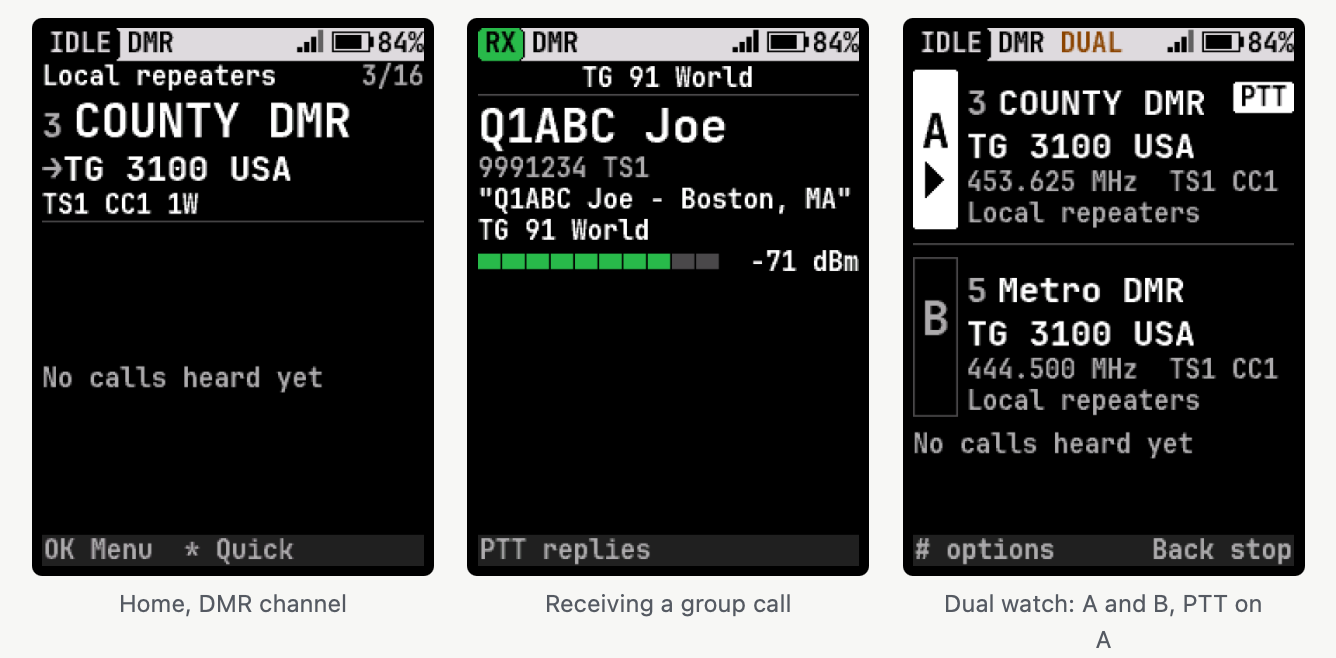
Operators should consult the project’s documentation to determine which features have been verified on their particular radio.
2 Which Radios Support RadioFoundry?
One of RadioFoundry’s most interesting characteristics is its growing compatibility with existing DMR equipment.
According to the project’s published compatibility list, radios with firmware support for FM, DMR, P25 and NXDN include:
- Baofeng: DM-32UV, DM-1701 and DM-1801 Pro
- Radioddity: DB25-D Pro
- TYT: MD-UV380, MD-UV390 and MD-9600
- Retevis: RT3S and RT10
Several related or rebranded models are also supported.
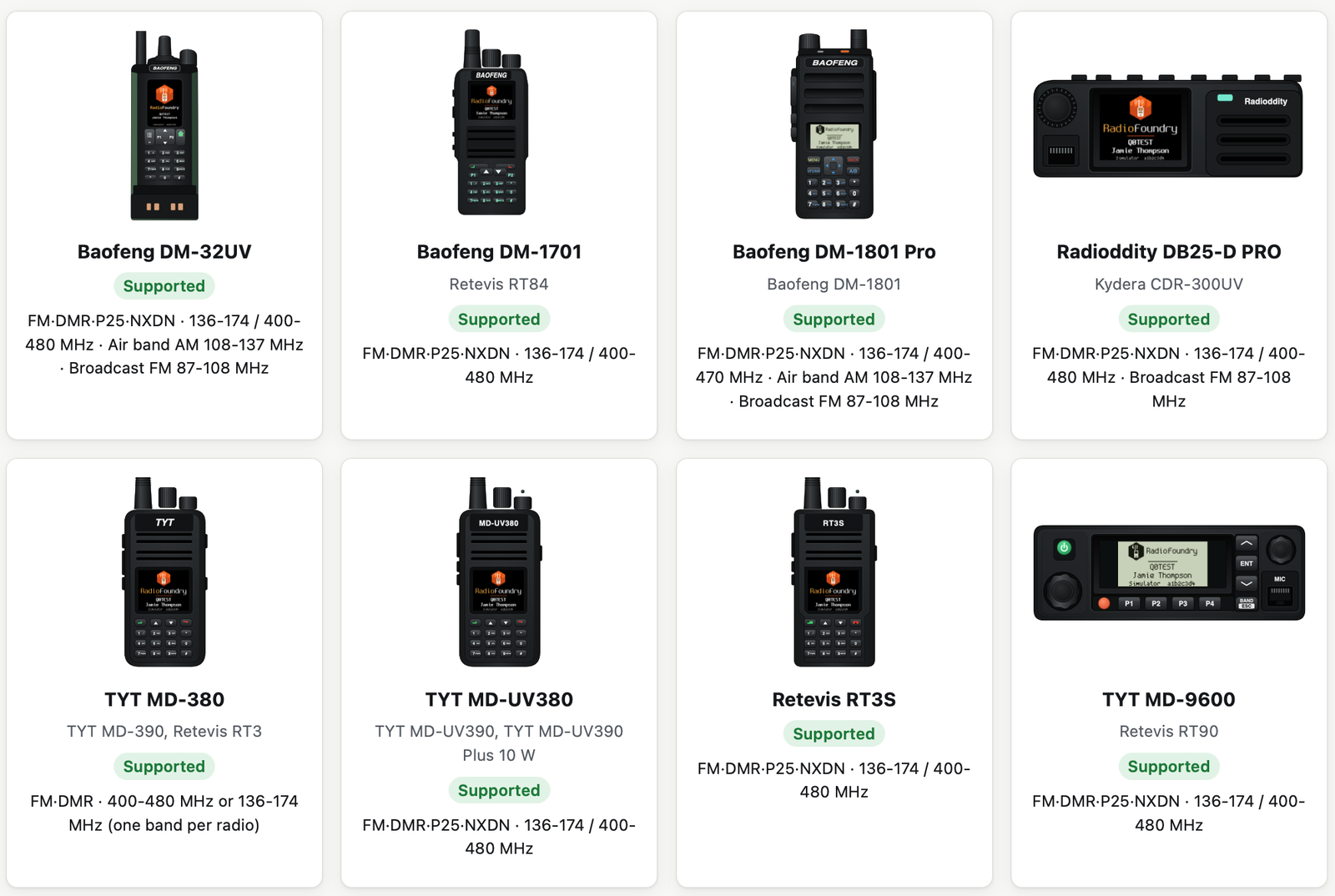
The project supports additional radios, including the TYT MD-380 and MD-390, although those models currently list FM and DMR capabilities rather than P25 and NXDN.
Development is also underway to extend compatibility to other equipment, including the Anytone AT-D878UV family, Radioddity GD-77 and additional handheld and mobile models.
For hams who already own compatible equipment, this opens up an interesting possibility: gaining access to additional digital voice technologies without purchasing another radio.
However, compatibility and testing vary considerably between models. A radio appearing on RadioFoundry’s supported list does not necessarily mean every feature has been fully verified through real-world operation.
The project’s supported radios page provides the latest compatibility details and testing status for individual models.
3 P25 and NXDN: Why Are They Interesting?
DMR has become increasingly popular among hams, thanks in part to affordable equipment and networks such as BrandMeister.
P25 and NXDN, however, have remained somewhat less accessible.
P25 (Project 25) is a digital radio standard widely used in public safety and professional communications, particularly in North America. Although developed primarily for professional applications, P25 Phase 1 is also used by hams, including on ham repeaters and simplex channels.
NXDN is another digital communications standard, developed for narrowband land-mobile radio applications. It is used in commercial radio systems and has also attracted interest from ham experimenters.
Both technologies provide opportunities to explore different digital modulation methods, voice encoding, signaling and radio networking approaches.
Traditionally, experimenting with several digital voice standards often meant purchasing separate radios, frequently commercial equipment from manufacturers such as Motorola, Kenwood or Icom.
RadioFoundry offers the possibility of exploring these technologies using a single affordable handheld or mobile radio, making experimentation more accessible to hams.
4 The Baofeng DM-32UV: An Interesting Example
The Baofeng DM-32UV is a particularly interesting candidate for RadioFoundry because it combines affordable hardware with a relatively modern digital radio platform.
RadioFoundry lists FM, DMR, P25 and NXDN capabilities for the DM-32UV, potentially transforming it from a conventional DMR handheld into a multi-mode digital voice radio.
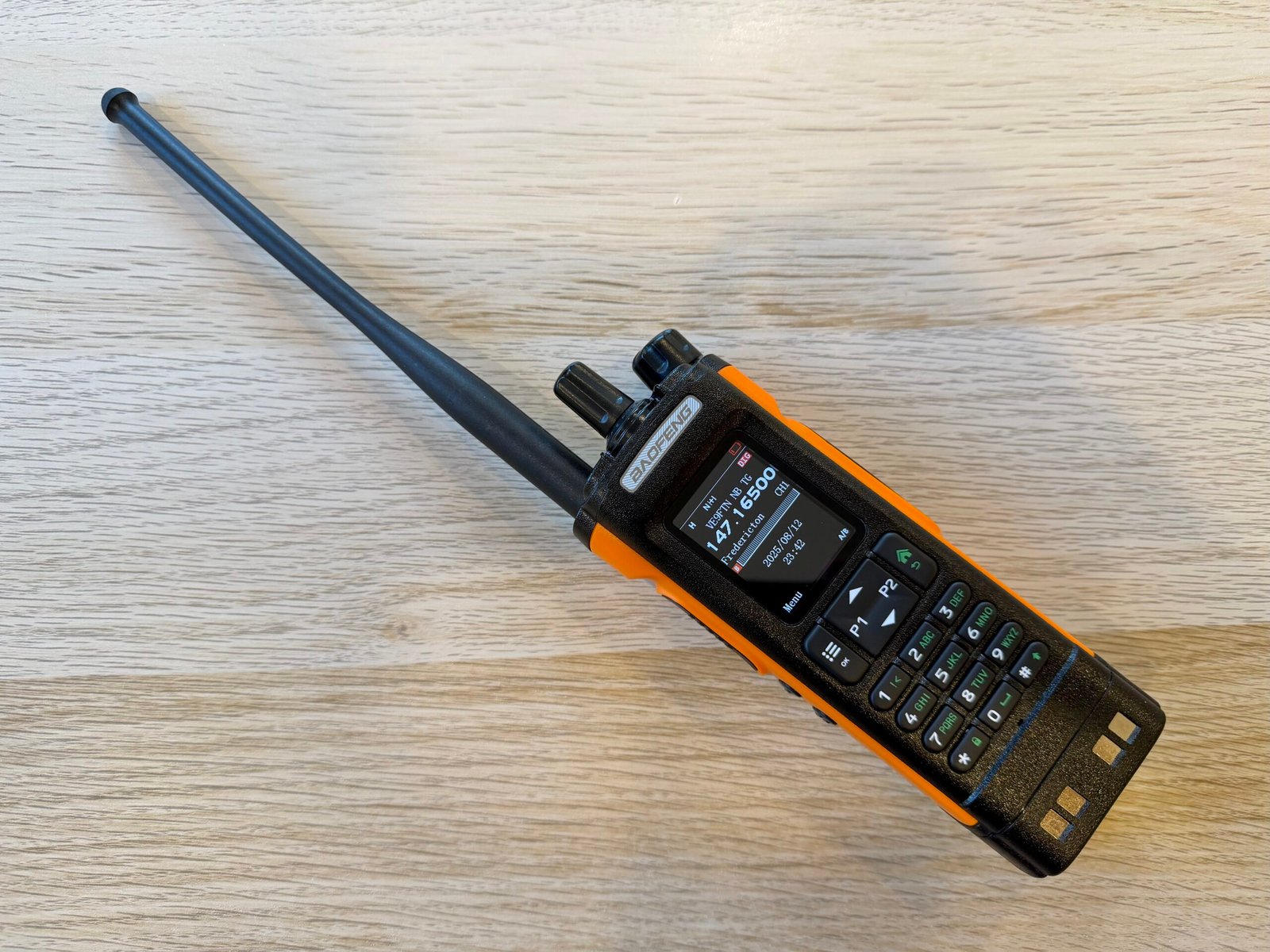
The project’s testing notes confirm successful on-air operation of analog FM and DMR voice, along with several other capabilities. P25 and NXDN functionality is listed in the firmware feature matrix, although that should not be taken as confirmation of comprehensive on-air interoperability testing.
A related development effort, Open25-DM32, builds upon RadioFoundry and provides experimental P25-focused firmware and programming tools specifically for the DM-32UV.
Its publicly available Classic edition includes conventional P25, NXDN, DMR and analog FM, while a separate Next edition with additional P25 trunking capabilities remains under private development.
Together, these efforts illustrate the growing interest in bringing advanced digital voice capabilities to inexpensive ham radio equipment.
5 An Interesting Development for Ham Radio
Perhaps the most significant aspect of RadioFoundry isn’t any particular radio or digital voice standard.
It’s the growing potential for open-source firmware to extend the capabilities and useful life of existing ham radio hardware.
Since inexpensive DMR radios began appearing on the market, something of a holy grail for ham radio digital voice enthusiasts has been an affordable, dual-band handheld capable of supporting multiple digital voice standards. Rather than carrying separate radios for DMR, P25, NXDN and other modes, hams have long wanted a single, versatile radio that could do it all.
RadioFoundry brings that vision a step closer to reality. By adding P25 and NXDN capabilities to existing DMR hardware, the project demonstrates the potential for software to overcome some of the limitations traditionally imposed by manufacturers.
It’s not quite the universal digital voice radio that enthusiasts have dreamed of. Notably, D-STAR and Yaesu System Fusion (C4FM) are not currently part of RadioFoundry’s supported digital voice modes. Nevertheless, the ability to operate DMR, P25 and NXDN from a single inexpensive radio represents meaningful progress toward that goal.
We’ve already seen what community-developed firmware can accomplish with projects such as OpenGD77, which brought additional functionality to several inexpensive DMR radios.
RadioFoundry takes this concept further by pursuing a common firmware platform capable of supporting multiple hardware models and several digital voice standards.
For hams, this could mean more flexibility, greater opportunities for experimentation and reduced dependence on manufacturers for future software enhancements.
It could also make P25 and NXDN considerably more accessible to operators who have been curious about these modes but reluctant to invest in expensive commercial equipment.
And because RadioFoundry is open-source, the project offers opportunities for technically inclined hams to contribute improvements, troubleshoot compatibility issues and develop additional features.
As support expands to more radios, the project could become an interesting alternative firmware ecosystem for ham radio digital voice experimentation.
6 Should You Install It?
For hams who enjoy testing new firmware and exploring digital voice technologies, RadioFoundry is certainly worth following.
However, there are several important considerations before replacing a radio’s factory firmware.
The software remains under active development, and users may encounter bugs, incomplete features or interoperability problems. Firmware installation also carries some risk, particularly if the process is interrupted or an incompatible firmware image is installed.
Before proceeding, operators should carefully review the project’s documentation for their specific radio, create a complete backup where supported, and understand the available recovery procedure.
It’s also worth distinguishing between firmware that supports a particular digital mode and firmware that has been thoroughly tested on the repeaters or systems an operator intends to use.
As always, transmissions must remain within the frequencies, modes and privileges authorized by the operator’s amateur radio licence. And of course, access to commercial or public safety radio systems requires appropriate authorization.
For those who rely on their radios for everyday communications, allowing the firmware to mature may be the more practical approach.
7 Where to Learn More
The RadioFoundry website provides information about supported radios, available features, installation instructions and the project’s source code.
While it’s still early days, RadioFoundry demonstrates how much additional functionality may be possible from existing digital radio hardware.
For hams who enjoy experimenting with new technologies, the prospect of turning an affordable DMR handheld into a multi-mode digital radio is a very exciting development.
8 Related Reading on EvoHam
- P25 for Beginners: Understanding Project 25 Digital Voice
- NXDN for Beginners: Why It Works – and Why Few Hams Use It
- FreeDV for Beginners: How to Use Digital Voice on HF
Some links in this story are affiliate links. If you choose to buy through them, EvoHam may earn a small commission – at no extra cost to you. It helps support more stories like this.