



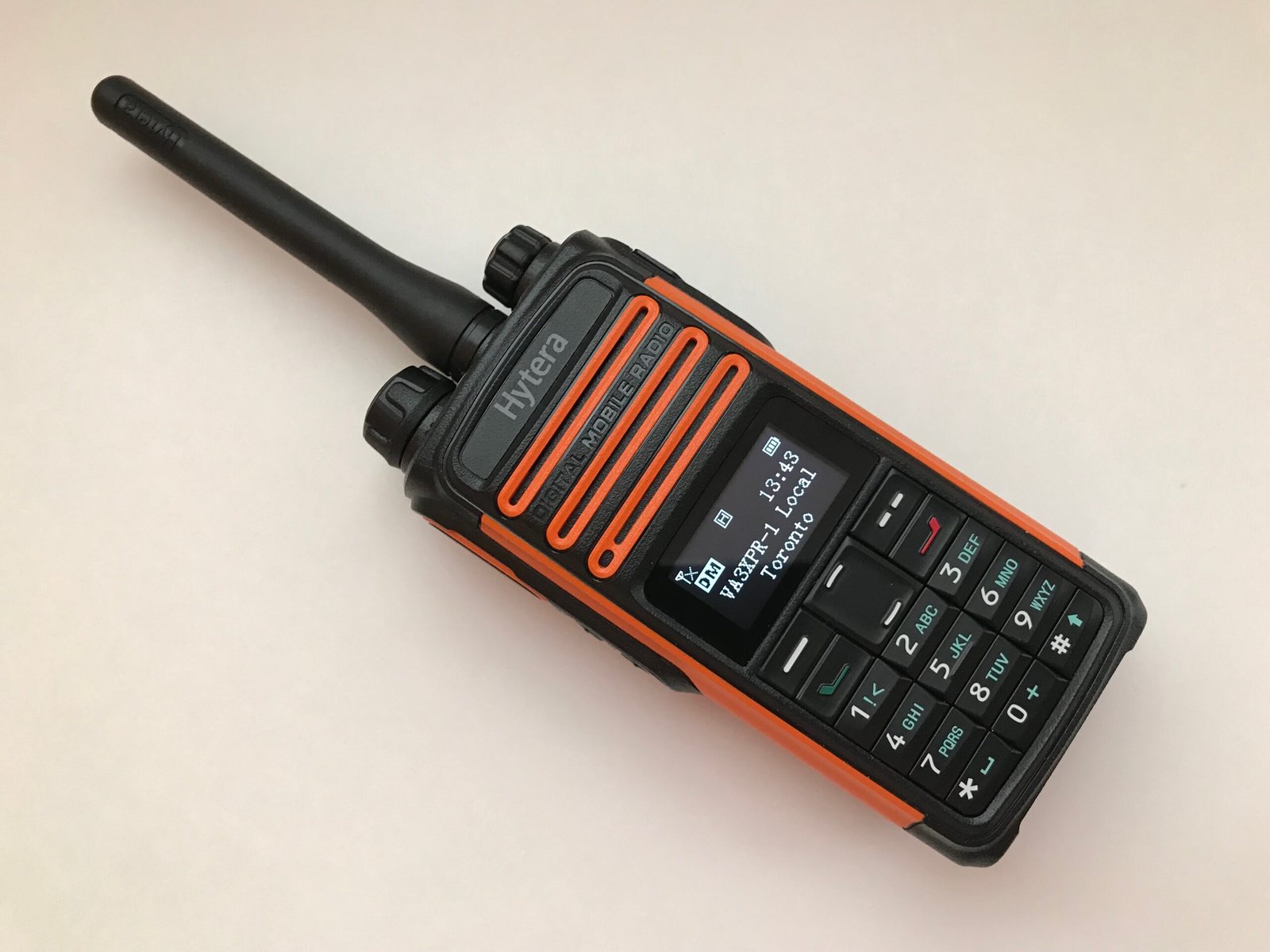

The Hytera TD580 remains a favourite among hams who need a rugged, waterproof handheld that can take abuse in the field. While it’s showing its age in 2025, its excellent audio, solid build, and compact size still make it a capable single-band DMR companion – if you can handle the tricky programming.
1 Quick Facts About the Hytera TD580
| Bands | VHF (136–174 MHz) or UHF (350–470 MHz) |
|---|---|
| Power Output | Low 1 W / High 5 W (VHF), 4 W (UHF) |
| Channels / Zones | 256 channels (16 per zone) |
| Display | Monochrome OLED |
| Waterproof Rating | IP67 / MIL-STD-810 G |
| Audio Output | 500 mW speaker |
| Bluetooth | Optional (factory variant) |
| Battery | 7.4 V / 2,000 mAh Li-ion |
| Programming Cable | Hytera PC76 (required) |
| Typical Price (2025) | $320 USD |
| Availability | Import-only via eBay / AliExpress |
2 Introduction
First released for the Chinese commercial market, the Hytera TD580 brought industrial-grade durability to the DMR scene long before ruggedness became trendy. Nearly a decade later, this monoband handheld continues to attract operators who value IP67 protection, strong audio, and simple controls over modern niceties like colour displays or Wi-Fi.
In 2025, the TD580 remains a niche radio – ideal for field work, emergency kits, and anyone who needs a DMR unit that can survive rain, dust, and drops.
3 Key Features and Highlights
- Rugged IP67 Design: Dust-tight and submersible up to 1 m for 30 minutes
- Excellent Audio: 500 mW speaker with rich low-end response
- Front Panel Programming (FPP): Quick on-the-go changes
- Bright Orange Housing: Highly visible in low light or field settings
- Bluetooth Option: Supports wireless audio accessories (factory option)
- Standard SMA Connector: Compatible with aftermarket antennas
4 Build & Ergonomics
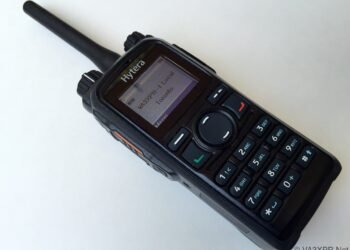
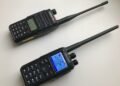
The Hytera TD580 feels every bit as solid as its professional lineage suggests. Its orange-and-black shell – identical to the PD482, gives it a distinctive field look. All seals and port covers fit snugly, giving the radio a tight, premium feel. Two top knobs handle power/volume and channel selection; the keypad is backlit and tactile.
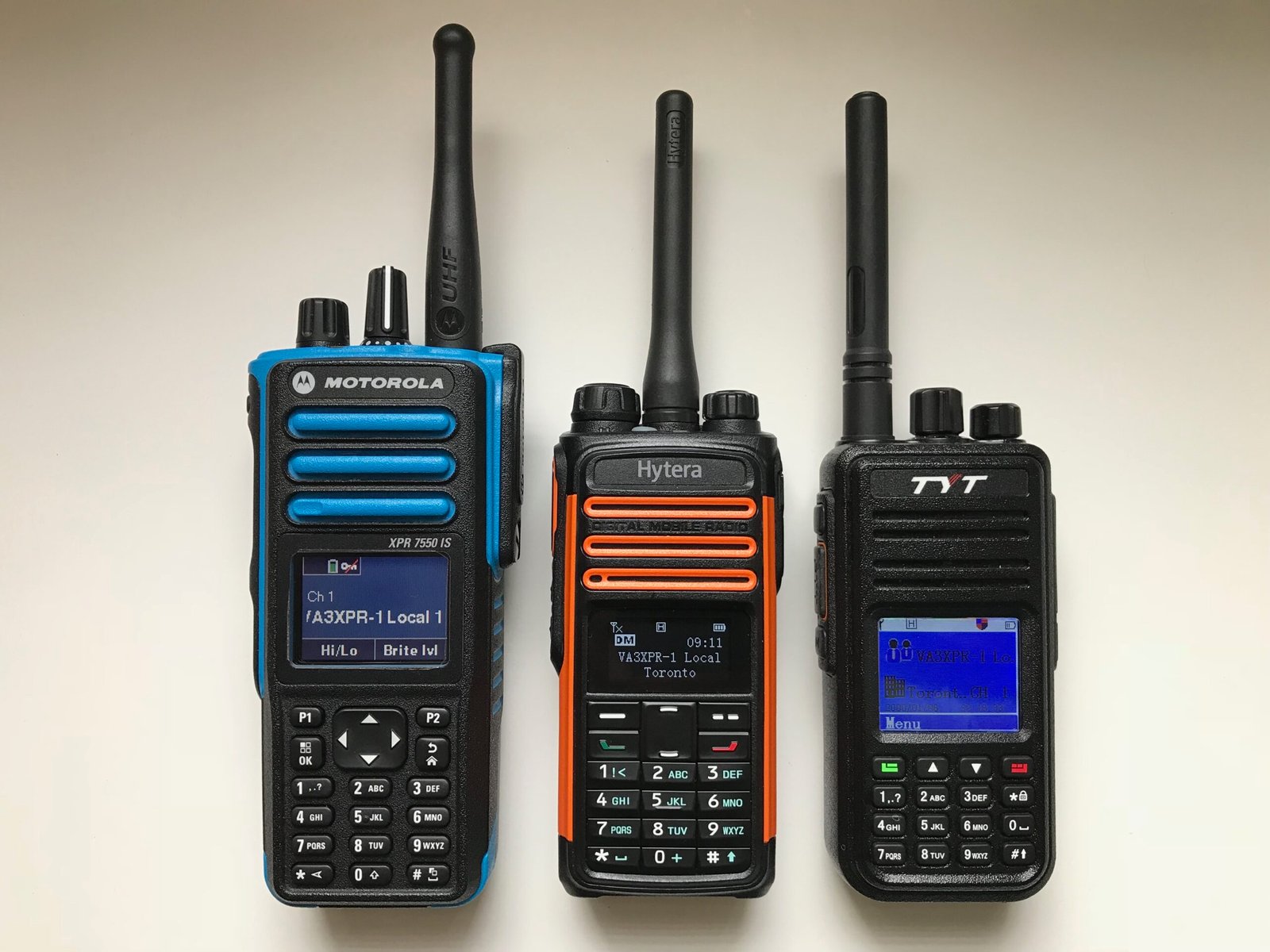
Pro Tip: Because the PTT button is slightly raised, accidental keying can occur when the radio rides in a tight holster, so keep that in mind if you carry it on a backpack strap.
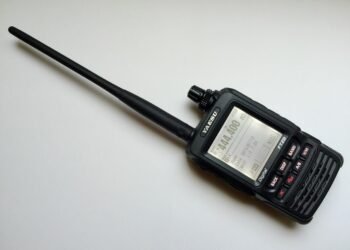
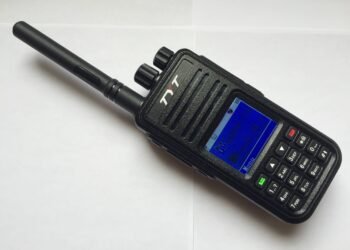
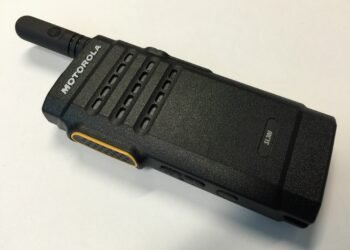
At roughly 270 g with battery, it’s comparable in size to a TYT MD-380 and smaller than a Motorola XPR7550, making it comfortable for all-day use.
5 Audio Performance
Audio remains one of the TD580’s strongest points. The radio delivers crisp, full sound even in noisy environments, and its programmable equalizer lets you emphasize bass or clarity. Microphone gain is adjustable in software and usually doesn’t need tweaking.
While it lacks modern audio processing found in newer Hytera HP-series models, the TD580 still outperforms most budget DMRs in warmth and loudness.
6 Display & Interface
A compact monochrome OLED display provides clear visibility indoors and outdoors. It’s minimalistic but well-organized, showing channel, zone, signal, and battery status. Backlight duration and brightness are adjustable.
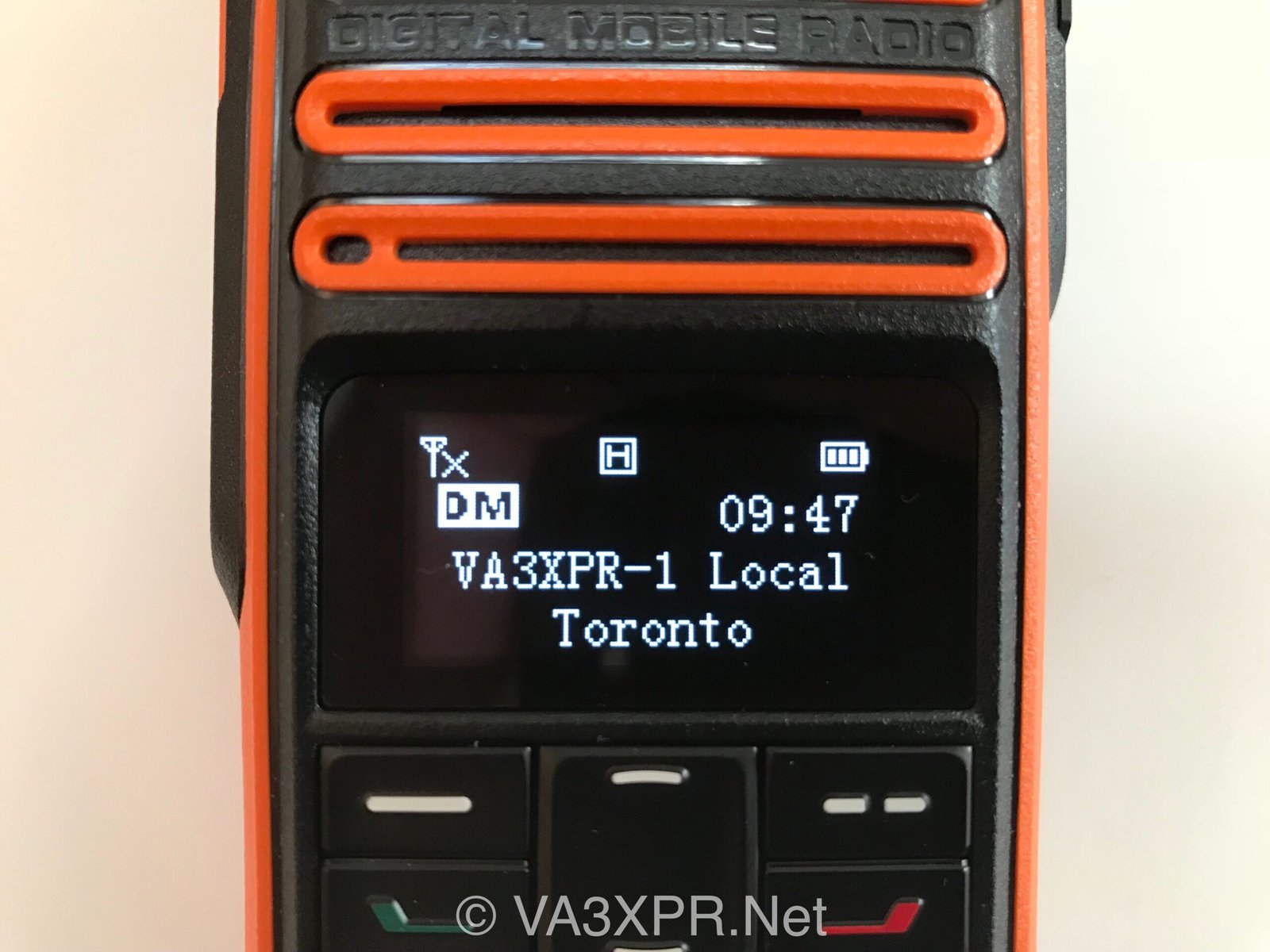
Menus are simple and intuitive, though the 16-channel-per-zone limit can frustrate hams who use repeaters with many talkgroups.
7 RF & Battery Performance
Hytera’s RF design holds up well. Transmit power toggles between Low (1 W) and High (4–5 W), enough for typical portable coverage. Receive sensitivity matches most commercial-grade DMR units, and battery life averages 10–12 hours on mixed-mode use.
No variable power levels beyond Low/High, but thermal stability and audio clarity remain excellent under load.
8 Programming Experience
CPS Software
Programming remains the TD580’s biggest hurdle. It requires the Chinese-market CPS (CH0), which is not officially localized to English. Some hams have circulated patched English CPS files, but success varies. Using other Hytera CPS versions (e.g., NA2) will fail to recognize the radio.
If you’re comfortable editing codeplugs manually, the radio is straightforward; otherwise, the learning curve is steep. The required Hytera PC76 USB cable ($20 USD) is essential for both programming and firmware updates.
Front Panel Programming (FPP)
FPP works for quick edits, such as changing channels or tones, but adding new DMR contacts or zones is tedious. Most users will prefer programming via PC except for field corrections.
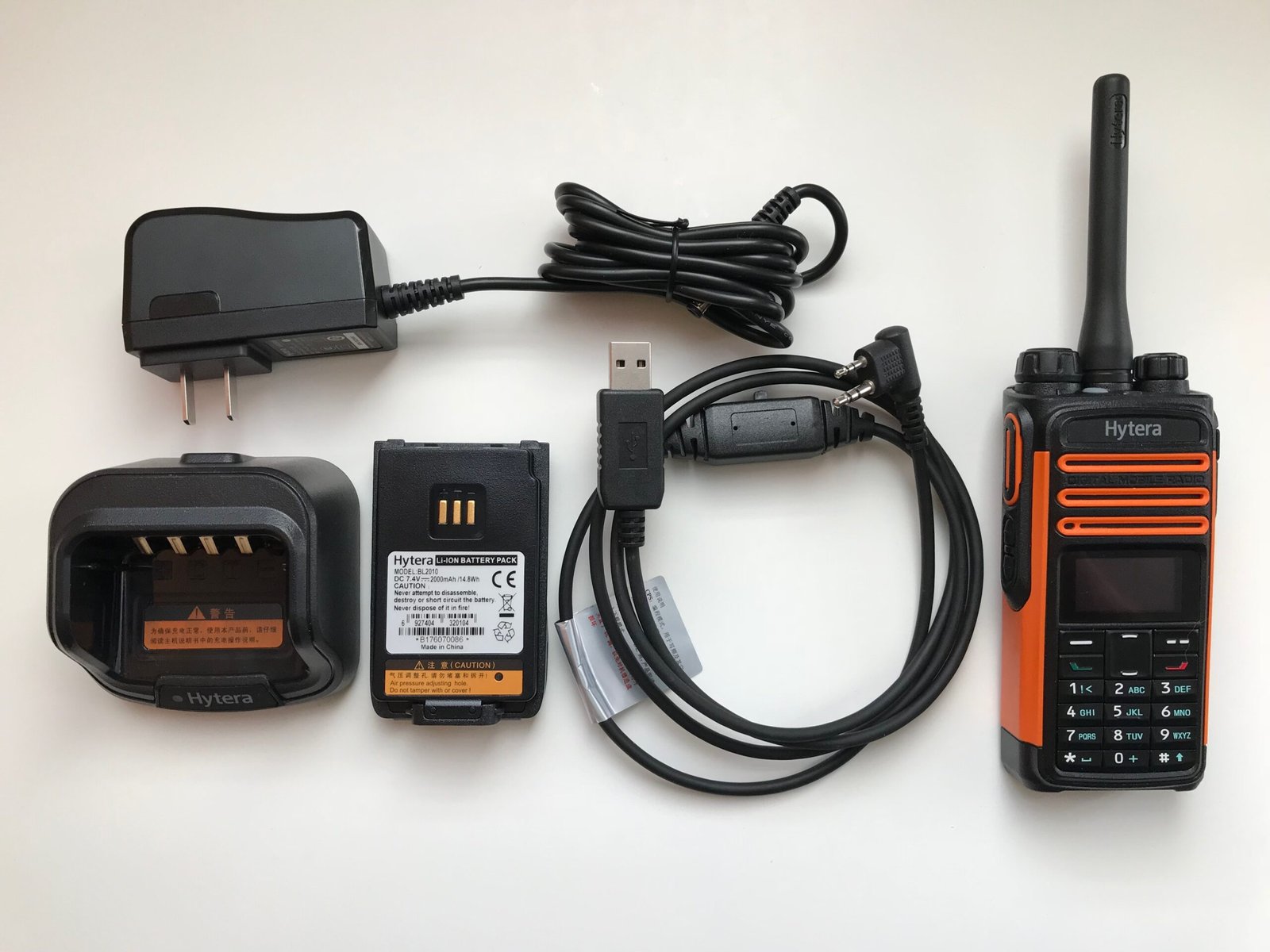
9 What’s in the Box
- Hytera TD580 handheld (VHF or UHF version)
- 7.4V / 2 000mAh Li-ion battery
- Monoband stubby antenna
- Belt clip and wrist strap
- Desktop charger (120/240V adapter)
- User manual (Chinese/English mix)
Please note: The programming cable (PC76) sold separately.
10 Pros and Cons
| Pros | Cons |
|---|---|
| Excellent audio clarity and loudness | 256 channels / 16 per zone limit |
| Rugged IP67 build quality | Chinese-only CPS software |
| Bright housing, easy to spot | Raised PTT can miskey in tight holsters |
| Good battery life and RF stability | Pricey for an older monoband radio |
| Optional Bluetooth and FPP support | Dated OLED display and UI |
11 Alternatives to Consider
- TYT MD-UV380 (2025) – Dual-band successor with English CPS and easy codeplug sharing
- Radioddity GD-88 – Affordable dual-band DMR with GPS and colour screen
- Ailunce HD1 – Fully FPP dual-band DMR with ham-friendly interface
12 Who It’s For
The Hytera TD580 appeals to operators who:
- Need a tough monoband handheld for outdoor or emergency use
- Value audio quality and reliability over flashy features
- Don’t mind using Chinese-language CPS software or community codeplugs
It’s not ideal for newcomers seeking plug-and-play simplicity, but for technically confident users who operate in challenging weather or remote areas, it remains a solid performer.
13 Final Thoughts
The Hytera TD580 is still one of the toughest monoband DMR handhelds ever made. It delivers professional-grade reliability, excellent audio, and true IP67 protection, even by 2025 standards.
However, its limited channel capacity and Chinese-only software make it best suited for technically inclined hams or field operators who value durability over convenience. If you need a radio that simply refuses to die, the TD580 remains a worthy, if quirky, choice.
14 You Might Also Like
- Hytera PD782 Review (2025): Rugged Mid-Tier DMR Radio
- Motorola XPR 7550 Review: A Top DMR Radio for Ham Operators
- Motorola XPR7550 IS Review (2025): Intrinsically Safe DMR
Some links in this article are affiliate links. If you purchase through them, EvoHam may earn a small commission – at no extra cost to you. Your support helps us keep creating detailed ham radio guides, reviews, and resources for the amateur radio community.
The Review
Hytera TD580
The Hytera TD580 remains one of the toughest monoband DMR handhelds ever made. It delivers professional-grade reliability, excellent audio, and IP67 protection, though limited channels and difficult programming make it best for experienced users.
PROS
- Excellent audio clarity and loudness
- Rugged IP67 build quality
- Bright colour housing easy to spot
- Good battery life and RF stability
- Optional Bluetooth and FPP support
CONS
- Limited to 256 channels / 16 per zone
- Chinese-only CPS software
- Raised PTT can accidentally key up
- High price for an older monoband radio
- Dated OLED display and UI
Review Breakdown
-
Audio Quality - Loud, clear, and full-bodied sound
-
Build Quality - IP67 rugged design built for the field
-
Ease of Programming - Chinese CPS software limits usability
-
Features & Memory - Solid basics but only 256 channels
-
Battery Life - 10–12 hours on mixed DMR/FM use
-
Value for Money - Strong performance under $320 USD