• About EvoHam
  • Contact Us
Evoham.com
  • Home
  • News
    • All
    • D-STAR News
    • DMR News
    • Equipment News
    • FreeDV News
    • M17 News
    • Operating News
    • Yaesu Fusion News
    Laptop screen showing the EvoHam.com website open in a web browser, highlighting the site’s launch.

    EvoHam.com Is Live – And We’re Just Getting Started

    Smartphone displaying SmartSDR waterfall and spectrum view, illustrating early FreeDV 2.1.0 SmartSDR support.

    FreeDV 2.1.0 Release Adds SmartSDR Support

    Prototype M17 LinHT Handheld on a test bench connected to RF test equipment during development.

    M17 LinHT Handheld: Open-Source Radio Progress Update

    NEW RADIO, DMR, D-STAR, C4FM, System Fusion, mobile, radio, ham radio, amateur radio, VA3XPR, dual-band, multi-mode, FM, chassis

    New Radio (2016): Multimode Ham Radio for DMR, D-STAR & C4FM

    FreeDV 2.0.2 user interface showing the RADEV1 digital voice modem and live HF signal waterfall.

    FreeDV 2.0.2 Release: Open-Source HF Digital Voice Update

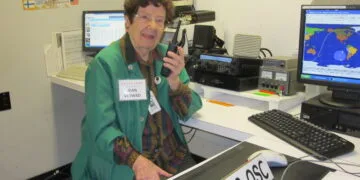
    Jean Moffett, VE3WAD, operating a Digital Mobile Radio (DMR) setup at the Ontario Science Centre amateur radio station, demonstrating the technology to visitors.

    Ontario Science Centre Revolutionizes Ham Radio with DMR

    • DMR News
    • Yaesu Fusion News
    • D-STAR News
    • Equipment News
    • Operating News
    • FreeDV News
    • M17 News
    • P25 News
  • Reviews
    • All
    • DMR Reviews
    • Mobile Radio Reviews
    • P25 Reviews
    • Portable Radio Reviews
    • Yaesu Fusion Reviews
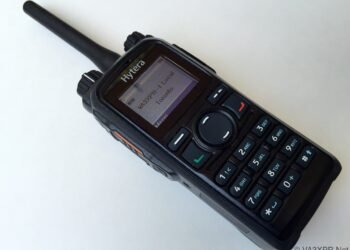
    Hytera PD782 UHF DMR handheld showing colour LCD display and keypad

    Hytera PD782 Review (2025): Rugged Mid-Tier DMR Radio

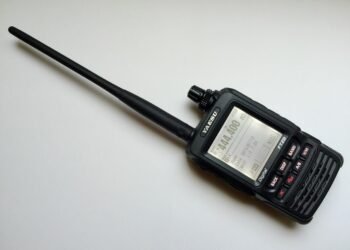
    Yaesu FT2DR review - dual-band C4FM Fusion handheld radio showing touchscreen display

    Yaesu FT2DR Review (2025): Still Worth It Today?

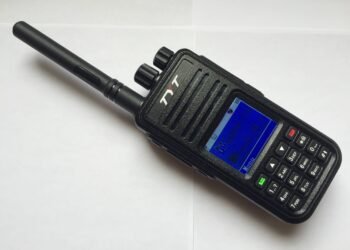
    TYT MD-380 DMR handheld radio showing its colour LCD display and keypad.

    TYT MD-380 Review (2025): A DMR Classic Revisited

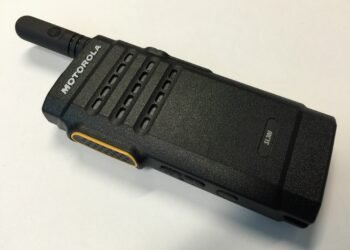
    Front view of the Motorola SL300 DMR radio showing its slim design and matrix LED display.

    Motorola SL300 Review (2025): Pocket-Sized DMR Performance

    Motorola XPR7550 IS DMR handheld radio showing blue Intrinsically Safe housing and colour LCD display

    Motorola XPR7550 IS Review (2025): Intrinsically Safe DMR

    Motorola SL7550 UHF DMR handheld radio showing colour LCD screen and keypad layout

    Motorola SL7550 Review (2025): Ultra-Slim DMR Handheld

    • DMR
    • Yaesu Fusion
    • D-STAR
    • P25
    • NXDN
    • Portable Radios
    • Mobile Radios
    • Hotspots
    • Repeaters
  • Guides
    • All
    • D-STAR Guides
    • DMR Guides
    • FreeDV Guides
    • M17 Guides
    • NXDN Guides
    • Operating Guides
    • P25 Guides
    • Repeater Guides
    • Yaesu Fusion Guides
    HF radio displaying an SSB spectrum, used for operating FreeDV Frequencies on amateur HF bands. U.S. Air Force photo by Airman 1st Class Omari Bernard.

    FreeDV Frequencies: Global HF Calling & Activity Guide

    Yaesu FT-950 HF transceiver tuned for digital voice operation using FreeDV, shown as the hero image for the FreeDV for Beginners guide.

    FreeDV for Beginners: Get Started with Digital Voice on HF

    Kenwood NXDN handheld radio with industrial background — hero image for NXDN for Beginners.

    NXDN for Beginners: A Ham Radio Digital Voice Primer

    Tait P25 multiband handheld radio for public-safety communication - featured in P25 for Beginners guide

    P25 for Beginners: Understanding Project 25 Digital Voice

    TYT MD-390 handheld radio supporting the open-source M17 protocol, shown in the EvoHam guide M17 for Beginners for amateur radio operators.

    M17 for Beginners: A Step-by-Step Guide for New Hams

    D-STAR for Beginners – Icom IC-705 portable D-STAR radio set up outdoors on a wooden table beside a tent, ready for QRP digital voice operation. Photo credit Icom Inc.

    D-STAR for Beginners: A Step-by-Step Guide for New Hams

    • DMR Guides
    • FreeDV Guides
    • Operating Guides
    • YAESU FUSION
    • D-STAR
    • P25
    • M17 Guides
    • NXDN
    • Destination Guides
    • Repeater Guides
    • Software & Programming Guides
  • Resources
    • All
    • DMR Resources
    • Firmware Resources
    • FreeDV Resources
    • Mapping Software
    • Programming Software Resources
    • RF Tools
    • Simplex Frequency Resources
    HF radio displaying an SSB spectrum, used for operating FreeDV Frequencies on amateur HF bands. U.S. Air Force photo by Airman 1st Class Omari Bernard.

    FreeDV Frequencies: Global HF Calling & Activity Guide

    Baofeng DM32UV and AnyTone AT-D878UVII Plus handheld radios beside a laptop running DMR Programming Software.

    DMR Programming Software and Firmware for Ham Radios

    Hytera TD580 DMR handheld radio showing 441.000 MHz DMR simplex frequency on its display for ham radio use.

    DMR Simplex Frequencies: Your Complete Ham Radio Guide

    RF coverage map showing predicted signal strength and coverage area from a central transmitter location created with Radio Mobile Online.

    RF Coverage Maps: Create Like a Pro in 3 Easy Steps

    • DMR Resources
    • Yaesu Fusion Resources
    • D-STAR Resources
    • NXDN Resources
    • P25 Resources
  • Editorial
No Result
View All Result
  • Home
  • News
    • All
    • D-STAR News
    • DMR News
    • Equipment News
    • FreeDV News
    • M17 News
    • Operating News
    • Yaesu Fusion News
    Laptop screen showing the EvoHam.com website open in a web browser, highlighting the site’s launch.

    EvoHam.com Is Live – And We’re Just Getting Started

    Smartphone displaying SmartSDR waterfall and spectrum view, illustrating early FreeDV 2.1.0 SmartSDR support.

    FreeDV 2.1.0 Release Adds SmartSDR Support

    Prototype M17 LinHT Handheld on a test bench connected to RF test equipment during development.

    M17 LinHT Handheld: Open-Source Radio Progress Update

    NEW RADIO, DMR, D-STAR, C4FM, System Fusion, mobile, radio, ham radio, amateur radio, VA3XPR, dual-band, multi-mode, FM, chassis

    New Radio (2016): Multimode Ham Radio for DMR, D-STAR & C4FM

    FreeDV 2.0.2 user interface showing the RADEV1 digital voice modem and live HF signal waterfall.

    FreeDV 2.0.2 Release: Open-Source HF Digital Voice Update

    Jean Moffett, VE3WAD, operating a Digital Mobile Radio (DMR) setup at the Ontario Science Centre amateur radio station, demonstrating the technology to visitors.

    Ontario Science Centre Revolutionizes Ham Radio with DMR

    • DMR News
    • Yaesu Fusion News
    • D-STAR News
    • Equipment News
    • Operating News
    • FreeDV News
    • M17 News
    • P25 News
  • Reviews
    • All
    • DMR Reviews
    • Mobile Radio Reviews
    • P25 Reviews
    • Portable Radio Reviews
    • Yaesu Fusion Reviews
    Hytera PD782 UHF DMR handheld showing colour LCD display and keypad

    Hytera PD782 Review (2025): Rugged Mid-Tier DMR Radio

    Yaesu FT2DR review - dual-band C4FM Fusion handheld radio showing touchscreen display

    Yaesu FT2DR Review (2025): Still Worth It Today?

    TYT MD-380 DMR handheld radio showing its colour LCD display and keypad.

    TYT MD-380 Review (2025): A DMR Classic Revisited

    Front view of the Motorola SL300 DMR radio showing its slim design and matrix LED display.

    Motorola SL300 Review (2025): Pocket-Sized DMR Performance

    Motorola XPR7550 IS DMR handheld radio showing blue Intrinsically Safe housing and colour LCD display

    Motorola XPR7550 IS Review (2025): Intrinsically Safe DMR

    Motorola SL7550 UHF DMR handheld radio showing colour LCD screen and keypad layout

    Motorola SL7550 Review (2025): Ultra-Slim DMR Handheld

    • DMR
    • Yaesu Fusion
    • D-STAR
    • P25
    • NXDN
    • Portable Radios
    • Mobile Radios
    • Hotspots
    • Repeaters
  • Guides
    • All
    • D-STAR Guides
    • DMR Guides
    • FreeDV Guides
    • M17 Guides
    • NXDN Guides
    • Operating Guides
    • P25 Guides
    • Repeater Guides
    • Yaesu Fusion Guides
    HF radio displaying an SSB spectrum, used for operating FreeDV Frequencies on amateur HF bands. U.S. Air Force photo by Airman 1st Class Omari Bernard.

    FreeDV Frequencies: Global HF Calling & Activity Guide

    Yaesu FT-950 HF transceiver tuned for digital voice operation using FreeDV, shown as the hero image for the FreeDV for Beginners guide.

    FreeDV for Beginners: Get Started with Digital Voice on HF

    Kenwood NXDN handheld radio with industrial background — hero image for NXDN for Beginners.

    NXDN for Beginners: A Ham Radio Digital Voice Primer

    Tait P25 multiband handheld radio for public-safety communication - featured in P25 for Beginners guide

    P25 for Beginners: Understanding Project 25 Digital Voice

    TYT MD-390 handheld radio supporting the open-source M17 protocol, shown in the EvoHam guide M17 for Beginners for amateur radio operators.

    M17 for Beginners: A Step-by-Step Guide for New Hams

    D-STAR for Beginners – Icom IC-705 portable D-STAR radio set up outdoors on a wooden table beside a tent, ready for QRP digital voice operation. Photo credit Icom Inc.

    D-STAR for Beginners: A Step-by-Step Guide for New Hams

    • DMR Guides
    • FreeDV Guides
    • Operating Guides
    • YAESU FUSION
    • D-STAR
    • P25
    • M17 Guides
    • NXDN
    • Destination Guides
    • Repeater Guides
    • Software & Programming Guides
  • Resources
    • All
    • DMR Resources
    • Firmware Resources
    • FreeDV Resources
    • Mapping Software
    • Programming Software Resources
    • RF Tools
    • Simplex Frequency Resources
    HF radio displaying an SSB spectrum, used for operating FreeDV Frequencies on amateur HF bands. U.S. Air Force photo by Airman 1st Class Omari Bernard.

    FreeDV Frequencies: Global HF Calling & Activity Guide

    Baofeng DM32UV and AnyTone AT-D878UVII Plus handheld radios beside a laptop running DMR Programming Software.

    DMR Programming Software and Firmware for Ham Radios

    Hytera TD580 DMR handheld radio showing 441.000 MHz DMR simplex frequency on its display for ham radio use.

    DMR Simplex Frequencies: Your Complete Ham Radio Guide

    RF coverage map showing predicted signal strength and coverage area from a central transmitter location created with Radio Mobile Online.

    RF Coverage Maps: Create Like a Pro in 3 Easy Steps

    • DMR Resources
    • Yaesu Fusion Resources
    • D-STAR Resources
    • NXDN Resources
    • P25 Resources
  • Editorial
No Result
View All Result
EvoHam
No Result
View All Result
Home Reviews DMR Reviews

Motorola XPR 7550 Review: A Top DMR Radio for Ham Operators

Exploring the features, performance, and value of the Motorola XPR 7550 for amateur radio enthusiasts

Don Trynor, VA3XFT by Don Trynor, VA3XFT
November 3, 2025
Share on FacebookShare on TwitterShare on LinkedInShare on RedditShare on ThreadsShare on WhatsApp

Motorola XPR 7550 DEALS

  • Amazon
    $799 VIEW
  • AliExpress
    $445 VIEW
  • Ebay
    $495 VIEW
This review was originally published on June 16, 2013, and was updated on December 19, 2024, to reflect current information and additional insights about the Motorola MOTOTRBO XPR 7550.

The Motorola MOTOTRBO XPR 7550 is a feature-rich, professional-grade handheld radio designed for both analog and digital (DMR Tier II) operation. Renowned for its exceptional audio quality, rugged construction, and advanced features, it’s a top choice for amateur radio operators seeking reliability and performance. While its programming requires a learning curve and comes at a premium price, its versatility and durability make it an excellent investment for those serious about DMR. Whether you’re navigating local repeaters, participating in talkgroups, or tackling harsh outdoor conditions, the XPR 7550 delivers unparalleled performance in every aspect.

Introduction

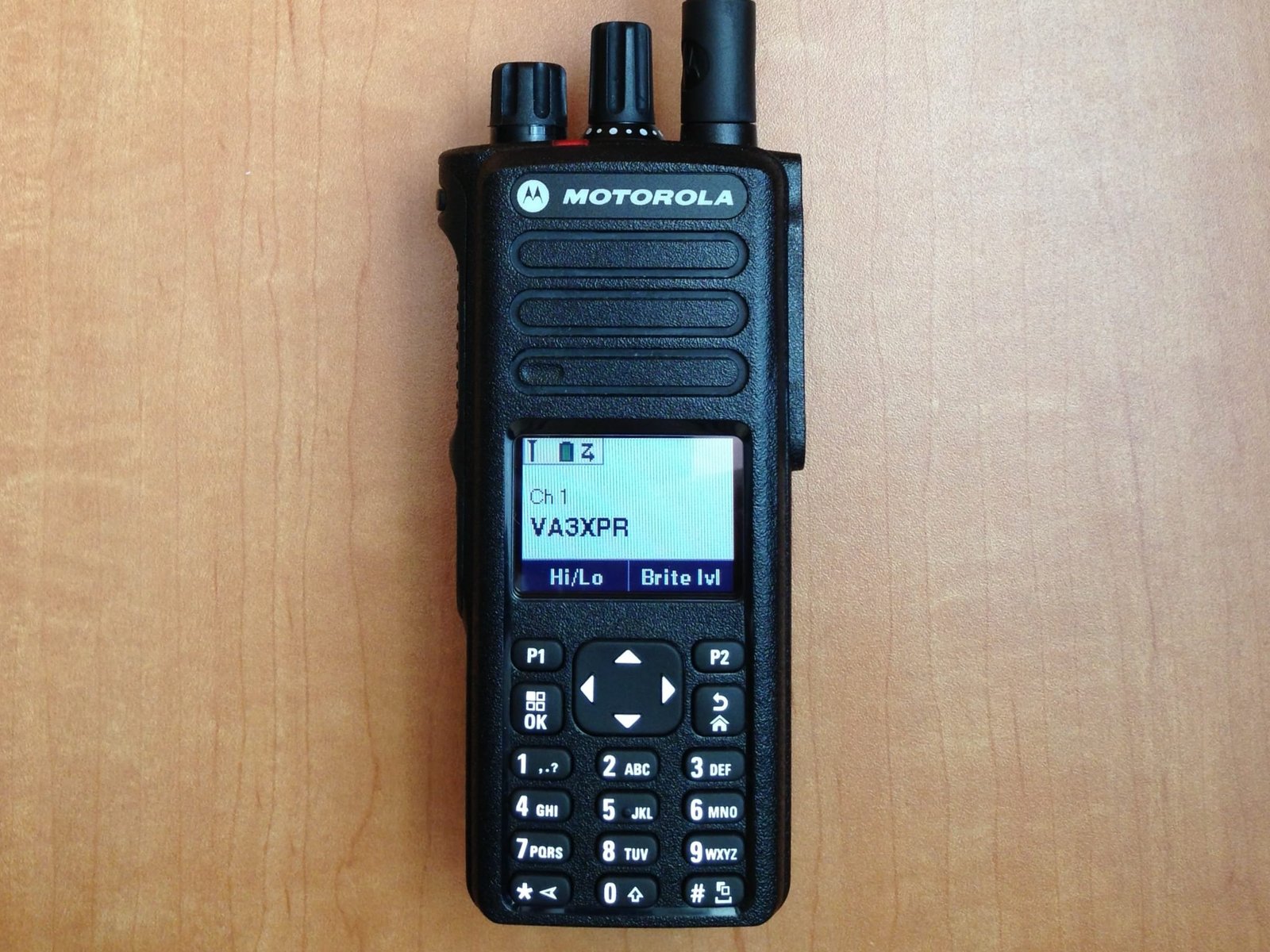
For amateur radio operators looking to explore Digital Mobile Radio (DMR), the Motorola MOTOTRBO XPR 7550 is a compelling choice. This rugged, full-featured handheld comes from a brand synonymous with professional-grade communications and promises reliability, durability, and a range of advanced features. While designed primarily for commercial and public safety applications, the XPR 7550’s capabilities also make it appealing to licensed amateurs seeking rock-solid performance on DMR networks.
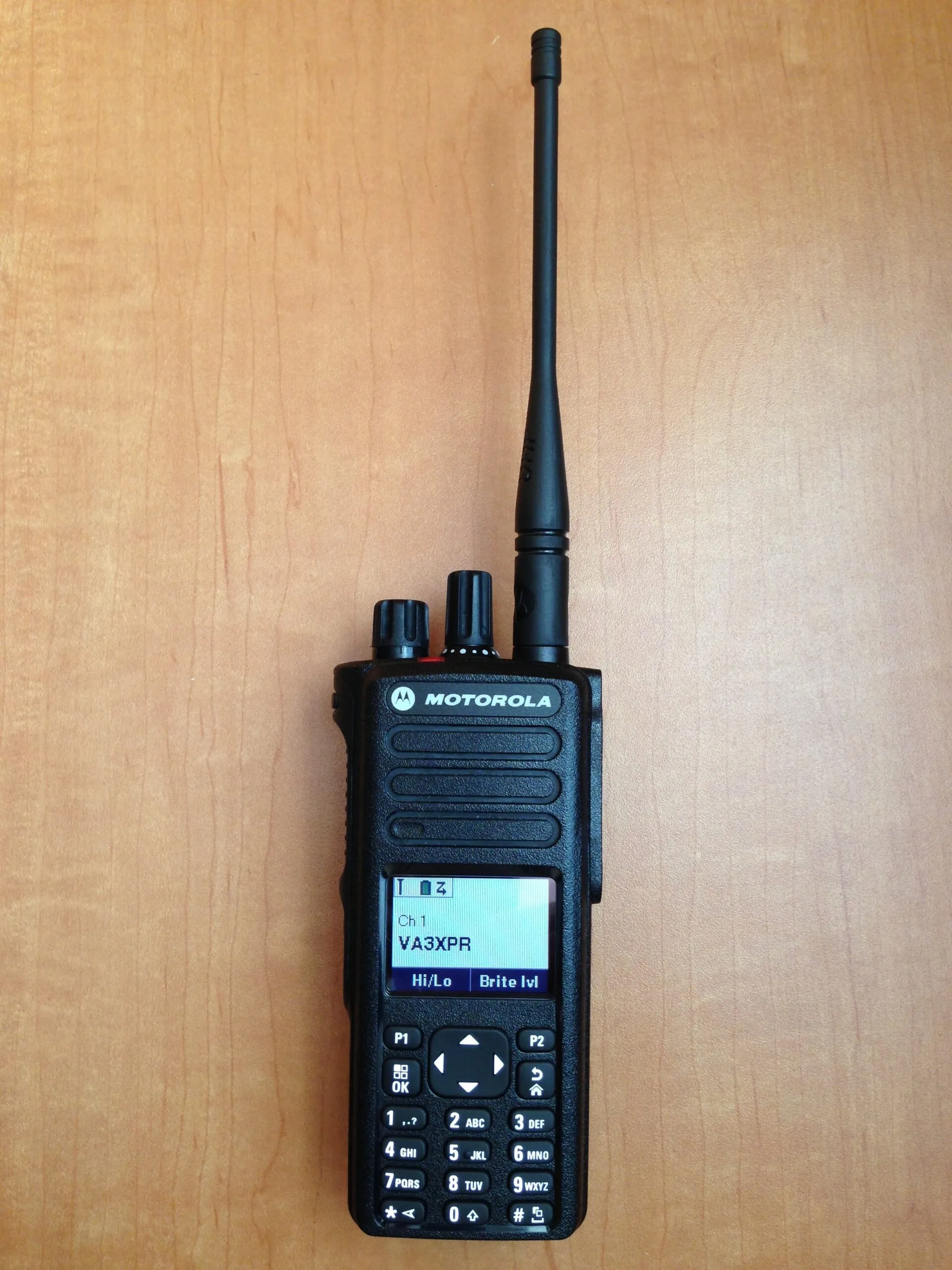
Front view of the Motorola XPR 7550 portable radio with a color LCD display.
Front view of the Motorola XPR 7550 showcasing its color LCD display and ergonomic design.

In this review, we’ll take a detailed look at the Motorola MOTOTRBO XPR 7550, examining its design, features, programming tools, audio quality, battery life, and overall user experience. We’ll also consider how it compares to other DMR options available to today’s amateur radio enthusiasts and evaluate whether it’s worth the investment.

Key Features at a Glance

  • Modes: Supports both analog and digital (DMR Tier II) operation, ensuring compatibility with legacy systems and newer digital networks.
  • Frequency Bands: Available in UHF and VHF models, catering to various local band plans and user requirements.
  • Audio Quality: Enhanced digital signal processing for crystal-clear audio, even in noisy environments.
  • Durability: Built to military specifications (MIL-STD-810) with IP57 rating for dust and water resistance.
  • Display and Interface: Large, color LCD screen with intuitive menus, bright backlighting, and a well-organized keypad for easy navigation.
  • Battery Life: High-capacity batteries provide extended operating times. Multiple battery options are available.
  • Expandability: Offers GPS, Bluetooth, and text messaging support. Advanced features can be unlocked with appropriate licenses and firmware.

Build Quality and Ergonomics

One of the first impressions you’ll get from the XPR 7550 is its robust, professional-grade construction. This is a radio designed to withstand the everyday challenges of field work, from extreme weather to accidental drops. Its IP57 rating means it’s not only dust-tight but also submersible in up to one meter of water for up to 30 minutes. While an average amateur operator may never push these limits, it’s reassuring to know that the radio can handle tough conditions.

The ergonomics are well thought out. The radio fits comfortably in the hand, and the textured side grips prevent it from slipping, even if you’re wearing gloves or operating in humid conditions. The front keypad buttons are tactile and backlit, making them easy to find and press in low-light environments. Overall, the design balances ruggedness with operator comfort, which is crucial for extended portable use.

Display and User Interface

The XPR 7550’s color LCD is one of its standout features. The display is easy to read both indoors and in bright sunlight, and the customizable home screen provides quick access to critical information, such as channel name, zone, and signal strength. The user-friendly interface allows operators to navigate through features and menus with minimal fuss.
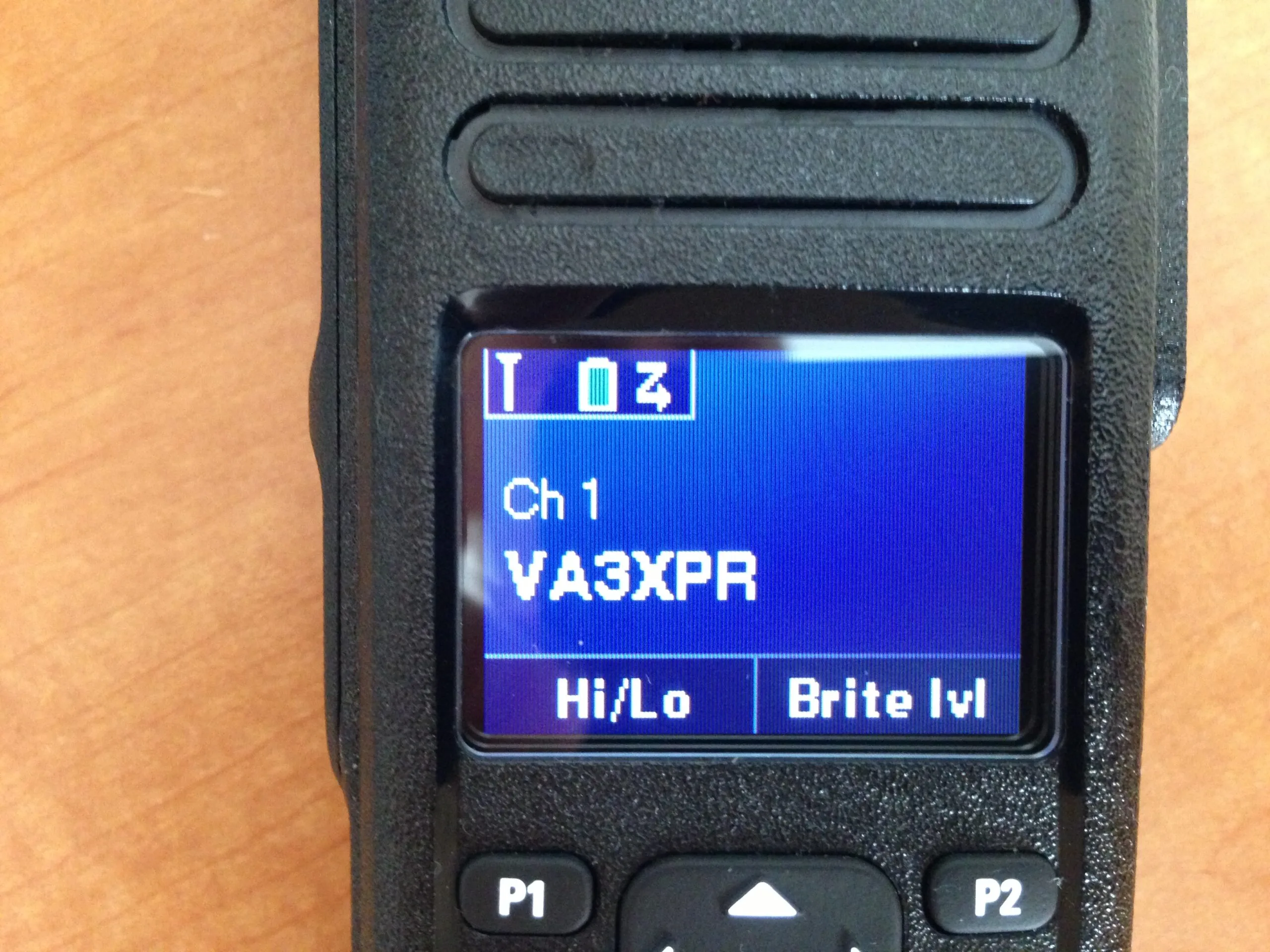
Close-up of the Motorola XPR 7550 LCD display with a clear and detailed layout.
Close-up of the Motorola XPR 7550 LCD display, showcasing its clear and intuitive layout.

Menu navigation on the XPR 7550 is logical and intuitive, which is especially beneficial for amateurs transitioning to a more commercially oriented product. Even if you’re new to DMR, the radio’s interface helps smooth the learning curve. The softkeys on the front panel can be programmed for quick access to commonly used functions—an invaluable time saver if you frequently switch between talkgroups or modes.

Audio Quality and Performance

Audio quality is often a decisive factor when choosing a handheld radio, and the XPR 7550 doesn’t disappoint. Its high-quality speaker delivers clear, punchy audio, and digital voice communications are especially crisp, free from the static and hiss that often plague analog signals. For DMR enthusiasts, this clarity enhances the overall user experience, whether you’re monitoring local repeaters, accessing distant talkgroups via a hotspot, or participating in nets.

On transmit, the XPR 7550 provides excellent audio fidelity. Microphone audio is clean and natural, ensuring that other stations hear you loud and clear. The radio’s advanced noise reduction features help maintain voice clarity in noisy environments, such as crowded hamfests or field day sites.

Another strong point is receive sensitivity. The XPR 7550 is known for its ability to pull in weak signals, and in digital mode, the error-correction algorithms further improve intelligibility. This exceptional receive performance can help you stay in contact even when conditions are marginal, making the XPR 7550 a reliable companion during portable operations.

Battery Life and Accessory Options

Motorola’s battery technology is well-regarded, and the XPR 7550 benefits from a range of battery options. Standard batteries provide ample operating time for a typical day of intermittent use. For heavier users, high-capacity batteries or IMPRES smart batteries can extend run times significantly. IMPRES batteries also support intelligent charging, helping to maintain battery health and ensuring long-term reliability.

Accessory support is another noteworthy aspect of the XPR 7550. The radio’s robust accessory connector accommodates a wide range of add-ons, from speaker mics and covert earpieces to Bluetooth headsets and programming cables. Given the device’s popularity in the commercial sector, it’s easy to find compatible accessories, both genuine Motorola and third-party, which can enhance or customize your operating experience.

DMR Features for Amateur Radio Operators

Although the XPR 7550 is a commercial-grade device, it aligns well with the needs of amateur DMR enthusiasts. It supports DMR Tier II operation, which is compatible with most amateur DMR repeaters and networks. If you want to venture into popular DMR talkgroups, such as BrandMeister or DMR-MARC, the XPR 7550 will handle them smoothly—provided you have the right codeplug and access settings.

Having a color display makes navigating talkgroups and channels much easier than on simpler DMR radios. Text messaging and GPS features, if enabled, can add an extra layer of functionality, although these require appropriate firmware and codeplug configuration. For example, if you’re involved in emergency communications or local radio club events, GPS-based location services and text messaging could prove incredibly useful.

It’s important to note that programming the XPR 7550 can be more complex than programming typical amateur-only DMR radios. This complexity isn’t necessarily a drawback—just be prepared for a steeper learning curve. Once you’ve mastered the programming, the radio’s feature set and performance may justify the effort and cost.

Programming and Software Considerations

Programming the XPR 7550 typically requires Motorola’s proprietary Customer Programming Software (CPS). While powerful, CPS is more complex than the average amateur-oriented DMR software. Codeplug creation involves defining zones, channels, talkgroups, contacts, and various other parameters. For newcomers, this might seem daunting at first, but numerous online tutorials, forums, and YouTube walkthroughs can ease the process.

Amateur operators often share codeplugs online, which can give you a solid starting point. From there, you can tweak channel names, talkgroup lists, and zone layouts to suit your personal operating style. Once you get comfortable with CPS, you’ll appreciate the level of customization possible. It’s worth noting that the XPR 7550 supports multiple firmware and feature sets, so ensure you have the correct CPS version and firmware updates that match your radio’s model and region.

Comparing the XPR 7550 to Other DMR Radios

The DMR landscape for amateurs has expanded considerably over the past decade. Affordable Chinese-made handhelds like the TYT MD-380 or Anytone AT-D878UV have lowered the barrier to entry, providing basic digital functionality at a fraction of the XPR 7550’s cost. Those options are great for beginners or operators on a tight budget.
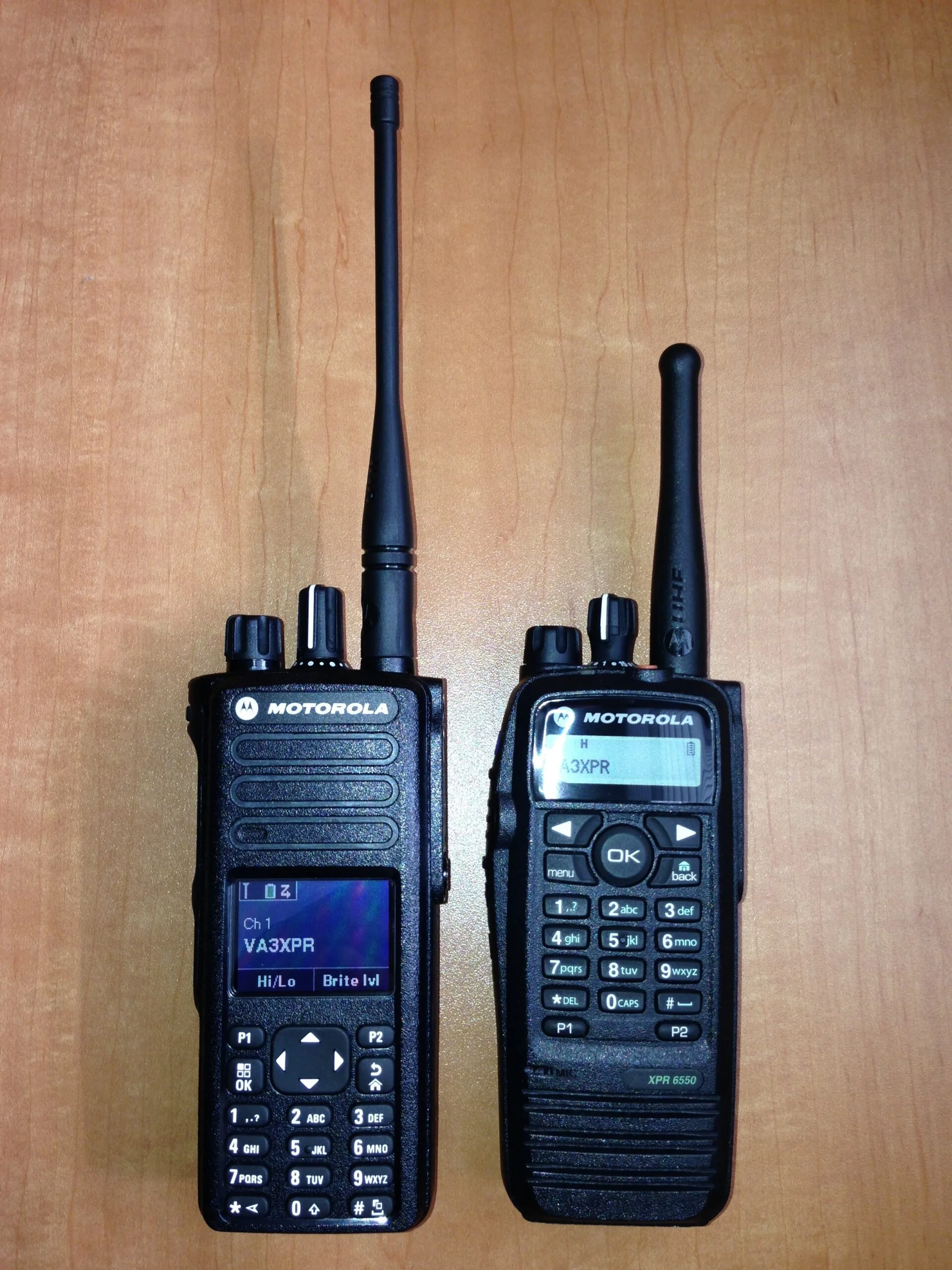
Front view of the Motorola XPR 7550 and XPR 6550 radios side by side, showing their displays and form factors.
Side-by-side comparison of the Motorola XPR 7550 and XPR 6550, highlighting their display and design differences.

However, if you’ve gained experience in DMR and want a radio that feels genuinely “commercial-grade,” the XPR 7550 stands out. The difference in audio quality, robustness, receive sensitivity, and battery life is noticeable. While other high-end DMR radios for amateurs exist—like certain Hytera or Kenwood offerings—the Motorola name carries a legacy of durability and performance.

In terms of price-to-performance ratio, the XPR 7550 is not cheap. You’re paying for professional reliability and a set of capabilities that go beyond most amateur-targeted DMR radios. This means if you’re serious about DMR and want a handheld you can rely on in all conditions, the XPR 7550 might be worth the investment. But if you’re still experimenting, a more affordable option could be wiser until you know what features matter most to you.

Pros and Cons

Pros:

  • Outstanding Build Quality: Sturdy construction, IP57 rating, and MIL-STD-810 compliance for long-term durability.
  • Excellent Audio and RF Performance: Superior audio clarity, noise suppression, and reliable sensitivity.
  • Comprehensive Feature Set: Supports analog and digital modes, GPS, Bluetooth, text messaging, and more with proper licensing and programming.
  • Intuitive Display and Controls: Easy-to-read color screen and well-designed keypad for straightforward operation.
  • Accessory Ecosystem: Wide range of compatible accessories from both Motorola and third parties.

Cons:

  • Cost: Significantly more expensive than many amateur-oriented DMR handhelds, which can be a deterrent for newcomers or casual operators.
  • Complex Programming: Requires proprietary Motorola CPS software and a more complicated programming process, which can challenge beginners.
  • Licensing for Certain Features: Some advanced functions may require additional licensing fees, adding to the total cost.

Who Should Consider the XPR 7550?

The Motorola MOTOTRBO XPR 7550 is ideal for amateurs who’ve already established their interest in DMR and want a radio that will stand the test of time. If you’re active in emergency communications, volunteer in public events, or simply want a high-quality device that you can rely on in harsh conditions, the XPR 7550 offers peace of mind that cheaper alternatives cannot match.
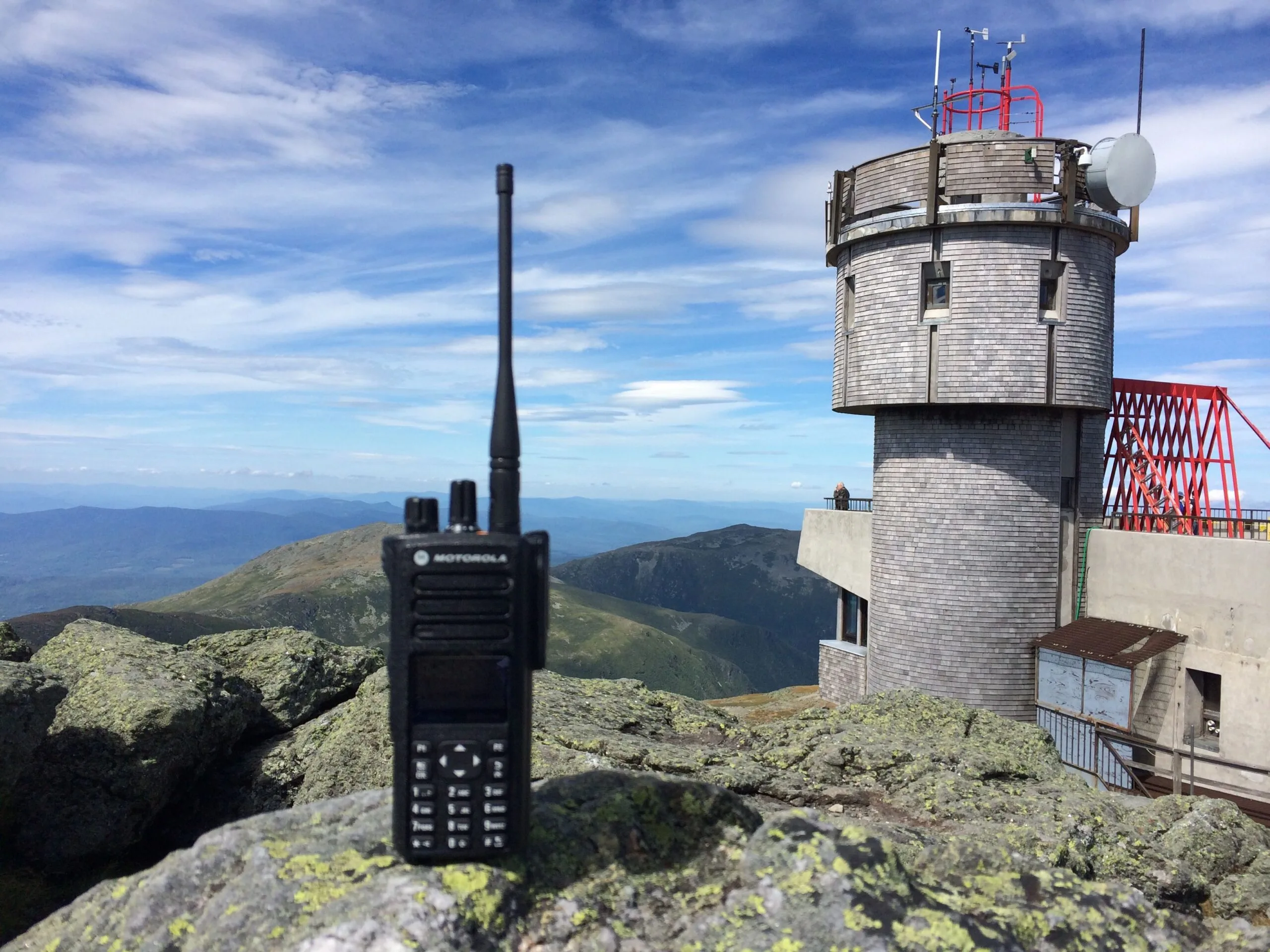
The Motorola XPR 7550 radio sitting on a rock at the summit of Mount Washington, New Hampshire.
The Motorola XPR 7550 at the summit of Mount Washington, showcasing its rugged design in a challenging environment.

It’s also a great option if you appreciate professional-grade ergonomics and audio performance, or if you want a single handheld that can serve you in both amateur and commercial contexts (if you’re licensed or authorized to do so). On the other hand, if you’re just starting in DMR or unsure whether digital voice modes are right for you, it might be more prudent to start with a less expensive radio before upgrading.

Tips for Getting the Most Out of Your XPR 7550

  • Start with a Good Codeplug: Seek out codeplugs created by experienced amateurs for your region. This will give you a solid baseline configuration.
  • Learn the CPS Software: Spend time learning how to navigate the CPS and understand the logic behind channel, zone, and talkgroup setup. The time invested will pay off in easier long-term maintenance.
  • Explore Advanced Features: If you add GPS or Bluetooth functionality, experiment with these features to see how they can enhance your operating style. Just ensure you have the necessary licenses and firmware updates.
  • Regular Firmware Updates: Keep your radio’s firmware current to benefit from performance enhancements and bug fixes.
  • Join Online Communities: Amateur radio forums, DMR-focused groups, and local clubs can be invaluable resources for tips, troubleshooting, and codeplug exchanges.

Final Thoughts

The Motorola MOTOTRBO XPR 7550 is not your average amateur DMR radio. Its commercial pedigree delivers top-notch build quality, excellent audio, and robust reliability that many less expensive radios simply cannot match. While it may require a bigger upfront investment in both money and learning time, its capabilities and performance make it a leading choice for operators who demand the very best.

If you’re ready to dive deeper into DMR, value premium construction, and desire a radio that can handle just about anything you throw at it, the XPR 7550 is well worth considering. By taking the time to master its programming tools and exploring its advanced features, you’ll be rewarded with a professional-grade handheld radio that can serve you reliably for years to come.

The Review

Motorola XPR 7550

4 Score

The Motorola XPR 7550 is a robust and reliable DMR radio designed for both analog and digital operation, making it an excellent choice for amateur radio operators. Featuring exceptional audio quality, durable construction, and a range of advanced capabilities like GPS and Bluetooth, it delivers professional-grade performance. While its higher cost and programming complexity may challenge beginners, experienced operators will appreciate its versatility and dependability. Whether for everyday use or demanding conditions, the XPR 7550 stands out as a high-quality option for serious DMR enthusiasts.

PROS

  • Outstanding build quality
  • Excellent audio and RF performance
  • Comprehensive feature set
  • Intuitive display and controls
  • Accessory ecosystem

CONS

  • Cost
  • Complex programming
  • Licensing for certain features

Review Breakdown

  • Build Quality & Durability
  • Audio Quality & Performance
  • Programming & Ease of Use
  • Features & Versatility
  • Battery Life & Power Options
  • Value for Money

Motorola XPR 7550 DEALS

We collect information from many stores for best price available

Best Price

$445
  • Amazon
    $799 Buy Now
  • AliExpress
    $445 Buy Now
  • Ebay
    $495 Buy Now
Tags: Analog FMDMRMonobandMotorolaMotorola XPR 7550MultimodeUHF - 70cmVHF - 2m
Don Trynor, VA3XFT

Don Trynor, VA3XFT

A licensed amateur radio operator since 1988, Don brings over 15 years of professional experience in telecommunications. A lifelong digital communications enthusiast, he channels that passion into EvoHam.com - a site dedicated to digital voice technologies in amateur radio. When he’s not testing new radios, Don enjoys hiking, kayaking, and exploring the science behind the world’s wonders.

Related Posts

Hytera PD782 UHF DMR handheld showing colour LCD display and keypad
DMR Reviews

Hytera PD782 Review (2025): Rugged Mid-Tier DMR Radio

Yaesu FT2DR review - dual-band C4FM Fusion handheld radio showing touchscreen display
Yaesu Fusion Reviews

Yaesu FT2DR Review (2025): Still Worth It Today?

TYT MD-380 DMR handheld radio showing its colour LCD display and keypad.
DMR Reviews

TYT MD-380 Review (2025): A DMR Classic Revisited

Front view of the Motorola SL300 DMR radio showing its slim design and matrix LED display.
DMR Reviews

Motorola SL300 Review (2025): Pocket-Sized DMR Performance

Next Post
Jean Moffett, VE3WAD, operating a Digital Mobile Radio (DMR) setup at the Ontario Science Centre amateur radio station, demonstrating the technology to visitors.

Ontario Science Centre Revolutionizes Ham Radio with DMR

Popular Posts

Laptop screen showing the EvoHam.com website open in a web browser, highlighting the site’s launch.

EvoHam.com Is Live – And We’re Just Getting Started

November 20, 2025
Yaesu FT-950 HF transceiver tuned for digital voice operation using FreeDV, shown as the hero image for the FreeDV for Beginners guide.

FreeDV for Beginners: Get Started with Digital Voice on HF

November 27, 2025
TYT MD-390 handheld radio supporting the open-source M17 protocol, shown in the EvoHam guide M17 for Beginners for amateur radio operators.

M17 for Beginners: A Step-by-Step Guide for New Hams

November 30, 2025
Baofeng DM32UV and AnyTone AT-D878UVII Plus handheld radios beside a laptop running DMR Programming Software.

DMR Programming Software and Firmware for Ham Radios

November 18, 2025

Follow EvoHam

Join 2,000+ Hams on Facebook

EvoHam

EvoHam offers clear, practical guides, reviews, and resources for modern amateur radio — covering DMR, Yaesu Fusion, D-STAR, P25, NXDN, M17, FreeDV, and other digital voice technologies. Everything you need, all in one trusted place.

FOLLOW US

ARCHIVE

  • November 2025
  • October 2025
  • September 2025
  • February 2025
  • December 2024

LATEST NEWS

  • The Modern Radio Amateur’s Code
  • FreeDV Frequencies: Global HF Calling & Activity Guide
  • Why EvoHam Exists – A New Home for Ham Radio Digital Voice
  • EvoHam.com Is Live – And We’re Just Getting Started
  • About EvoHam
  • Contact
  • Privacy Policy
  • Affiliate Disclosure
  • Terms of Service

Copyright © 2024 EvoHam. All rights reserved.

No Result
View All Result
  • Home
  • News
    • DMR News
    • Yaesu Fusion News
    • D-STAR News
    • Equipment News
    • Operating News
    • FreeDV News
    • M17 News
    • P25 News
  • Reviews
    • DMR
    • Yaesu Fusion
    • D-STAR
    • P25
    • NXDN
    • Portable Radios
    • Mobile Radios
    • Hotspots
    • Repeaters
  • Guides
    • DMR Guides
    • FreeDV Guides
    • Operating Guides
    • YAESU FUSION
    • D-STAR
    • P25
    • M17 Guides
    • NXDN
    • Destination Guides
    • Repeater Guides
    • Software & Programming Guides
  • Resources
    • DMR Resources
    • Yaesu Fusion Resources
    • D-STAR Resources
    • NXDN Resources
    • P25 Resources
  • Editorial

Copyright © 2024 EvoHam. All rights reserved.